Paul Hill chats to the charity’s head of food about its work in the wholesale channel
For wholesalers who don’t know City Harvest well, can you briefly explain your mission and how you work with the food supply chain?
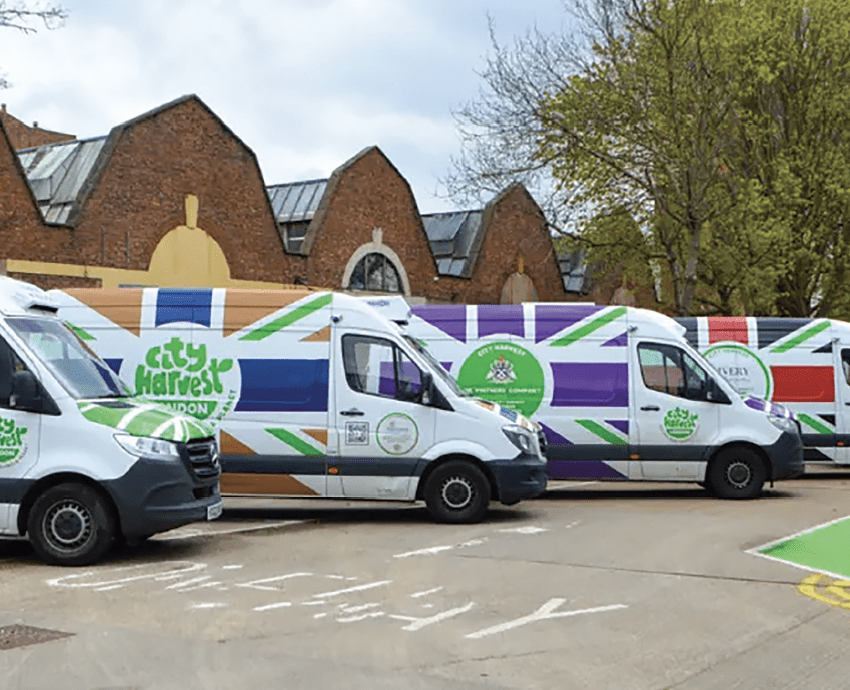
City Harvest is the UK’s third-largest food redistribution charity, rescuing surplus food and delivering it to people who need it most.
Our mission is simple: to rescue food, support communities and reduce environmental impact by not letting food go to waste. We work closely with businesses across the supply chain, from farms and wholesalers to retailers and manufacturers, collecting surplus that would otherwise go to waste and redistributing it free of charge to more than 375 community partners, including food banks, schools, shelters and refugee centres.
By providing a simple, reliable way for businesses to donate surplus, we help the supply chain reduce waste, meet sustainability goals and make a real social impact.
Where in the wholesale supply chain do you see the biggest opportunities to reduce food waste through redistribution?
The wholesale supply chain presents several key points where surplus food can be redirected. Often, waste occurs at the point of overproduction, minor quality deviations or when orders are cancelled or delayed.
We see huge opportunities at packhouses and wholesale markets, where volume, timing and stringent retailer specifications can lead to perfectly edible produce being rejected. Short-dated or imperfect stock is particularly common here.
By partnering with wholesalers, we can rescue this food before it reaches landfill, keeping it fresh and distributing it quickly to communities. Efficient collection from these points not only reduces waste, but also strengthens the resilience and sustainability of the entire supply chain.
What kinds of surplus food are most useful to City Harvest, and how can wholesalers better align their donations with community needs?
We welcome a wide range of fresh produce, ambient goods, bakery items, dairy and chilled products – essentially, anything safe, nutritious and suitable for immediate consumption. Fresh fruit and vegetables are particularly valuable, as they are often hardest for low-income households to access.
Wholesalers can better align donations with community needs by considering perishability, portion sizes and nutritional value. Planning surplus collections in advance, communicating volumes and types, and understanding the dietary requirements of the organisations we serve helps ensure food reaches those who can benefit most. Timely, predictable donations make a significant difference to the charities and people relying on them.
Could you share examples of successful partnerships with wholesalers that have led to meaningful sustainability impact?
We have partnered with a number of wholesalers across London and the UK to collect surplus fruit and vegetables that might otherwise be wasted.
These partnerships have rescued thousands of tonnes of food, prevented tens of thousands of tonnes of carbon emissions, and provided millions of meals to families, schools and shelters. By integrating our collection process into wholesalers’ existing operations, we’ve made it simple to turn potential waste into tangible social and environmental impact.
What misconceptions do wholesalers sometimes have about donating surplus food, and how do you address them?
Some wholesalers worry about legal liability, food safety or the administrative burden of donating surplus. Others assume the process will disrupt their operations or that only perfect-looking products are suitable. In reality, surplus food redistribution is safe and straightforward.
City Harvest provides practical support, including free collection, storage guidance and simple scheduling through our Harvest for Hunger scheme. We reassure partners that imperfect or short-dated produce can still have tremendous value for those in need, and that redistribution does not compete with paying customers.
Once these concerns are addressed, wholesalers often become some of our most engaged and consistent partners.
Read more: Brakes food charity reports huge increase in demand
Beyond food donations, what other ways can wholesalers support your work, whether through logistics, funding or sustainability initiatives?
Wholesalers can play a crucial role beyond donations. They can offer logistical support, such as providing storage space, vehicles or route-planning expertise, to help us collect more food efficiently.
Financial support through sponsorships or grants allows us to expand depot capacity, improve fleet efficiency and develop new redistribution programmes.
Many wholesalers also collaborate on sustainability initiatives, including awareness campaigns, staff volunteering and tracking waste-reduction metrics.
By integrating City Harvest into broader ESG or corporate social responsibility strategies, wholesalers can amplify their impact while demonstrating leadership in sustainability and community engagement.
Looking ahead, how do you see wholesalers playing a larger role in building a more sustainable, waste-free food system with City Harvest?
Wholesalers are uniquely positioned to reduce food waste at scale. By embedding redistribution into routine operations, planning ahead for surplus and actively partnering with organisations like City Harvest, they can prevent millions of tonnes of food from being lost each year.
We see a future where food redistribution is standard practice across wholesale markets, with surplus food viewed as a resource rather than a liability.
With support from Defra and initiatives like Harvest for Hunger, wholesalers can strengthen their sustainability credentials, reduce environmental impact and directly improve food access in communities.
Visit cityharvest.org.uk/harvest-for-hunger to find out more. Together, we can shrink the national waste crop, strengthen our industry’s sustainability story and make sure the food we grow reaches the people who need it.