
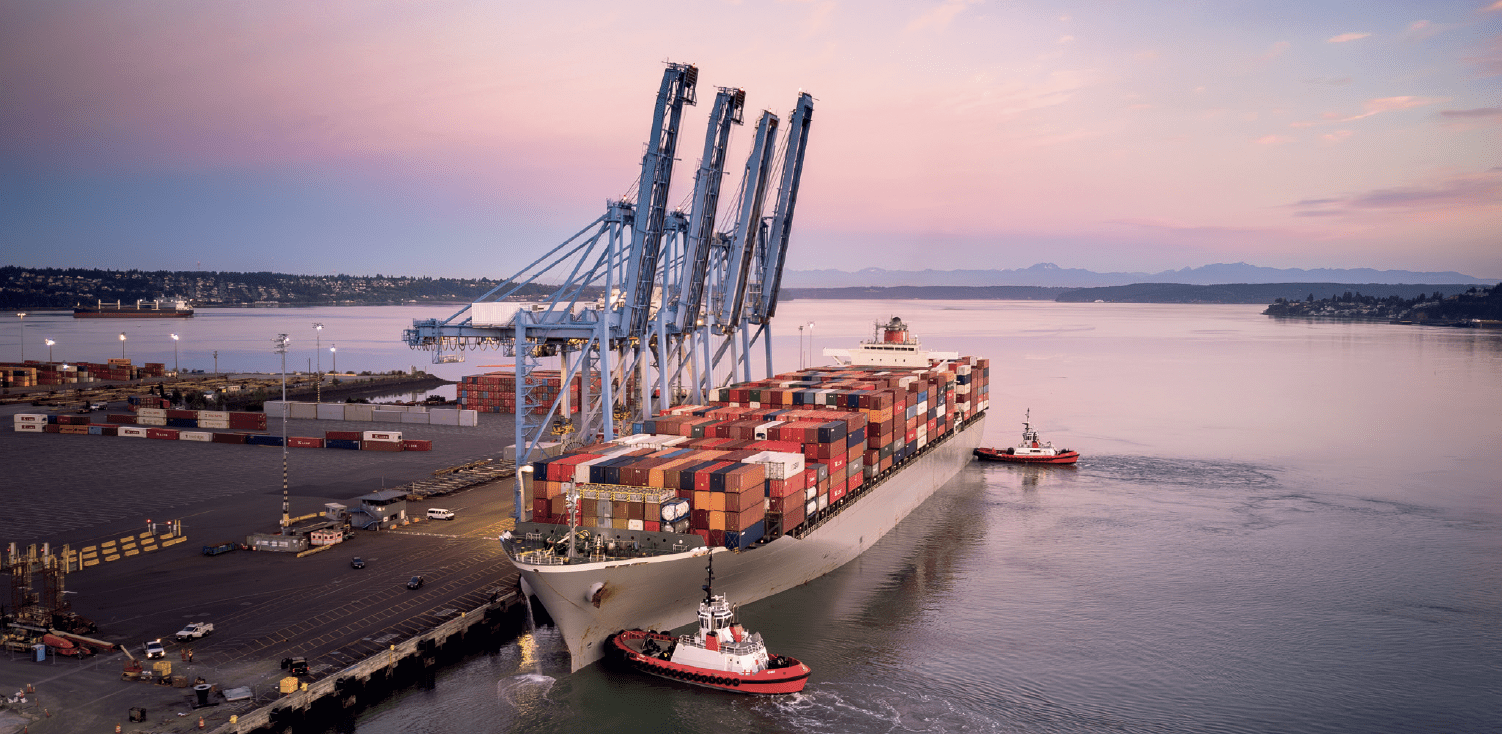
Four key trends shaping import and export activity for UK wholesalers, and how they should be adjusting their operations
For UK food and drink wholesalers, importing and exporting is no longer just about moving goods from A to B. Since Brexit, combined with global geopolitical disruption and shifting consumer tastes, international trade has become a huge opportunity, but one that is highly complex.
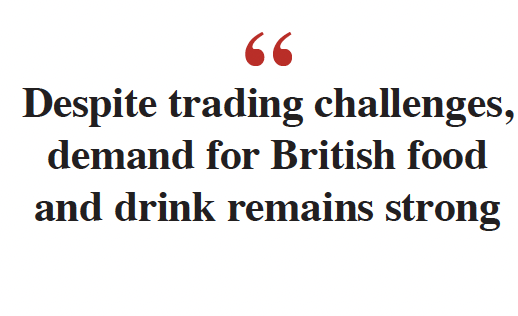
From sourcing European ambient lines to exporting British brands into growth markets, wholesalers that understand today’s trade trends are better placed to protect margins, reduce risk and grow turnover.
Shorter, reliable supply chains
Many UK wholesalers are rethinking long-distance sourcing. While Asian imports still play an important role, there is a growing focus on European and domestic suppliers to reduce delays and paperwork.
Lead times, freight volatility and port congestion over the past few years have highlighted the risks of relying too heavily on one country or shipping route, with the war in Iran recently highlighting this.
For UK wholesalers, this means:
• Building relationships with multiple EU suppliers
• Increasing UK-sourced alternatives where possible
• Holding smarter buffer stock on key lines.
Navigating compliance
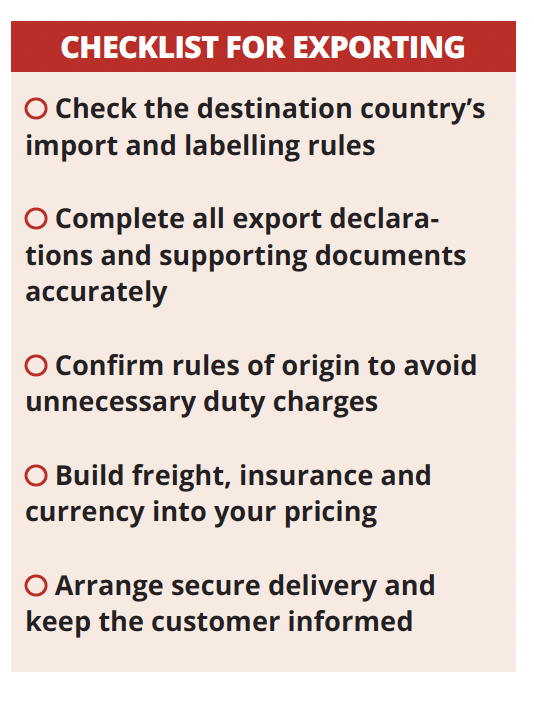
Paperwork is now part of everyday trade. Importing from the EU requires customs declarations, commodity codes and accurate product descriptions. While exporting into the EU brings its own documentation requirements, mistakes can lead to delays, added charges and unhappy customers.
Successful wholesalers are:
• Investing in customs expertise (either
in house or via brokers)
• Training staff on commodity codes and rules of origin
• Using digital systems to manage documentation.
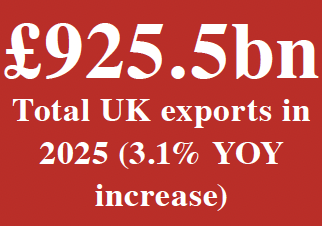
Growing demand for UK products Despite trading challenges, demand for British food and drink remains strong in many markets.
Products with strong provenance continue to perform well internationally. These include: Scottish salmon and whisky, craft gin, biscuits, tea and dairy. For wholesalers supplying independent retailers or foodservice operators abroad, there are opportunities to act as export partners for UK producers.
Key growth areas include:
• Premium beverages
• Plant-based products
• Traditional British bakery and confectionery.
Currency volatility
Exchange rates remain a major factor for UK wholesalers importing goods, with a weaker pound increasing the cost of EU and global products, squeezing margins unless prices are adjusted. Freight costs, fuel prices and shipping container rates also continue to fluctuate.
To manage this, wholesalers need to:
• Negotiate longer-term supply contracts and more frequent reviewing
• Explore group buying to increase purchasing power
• Consolidate shipments to reduce freight costs.
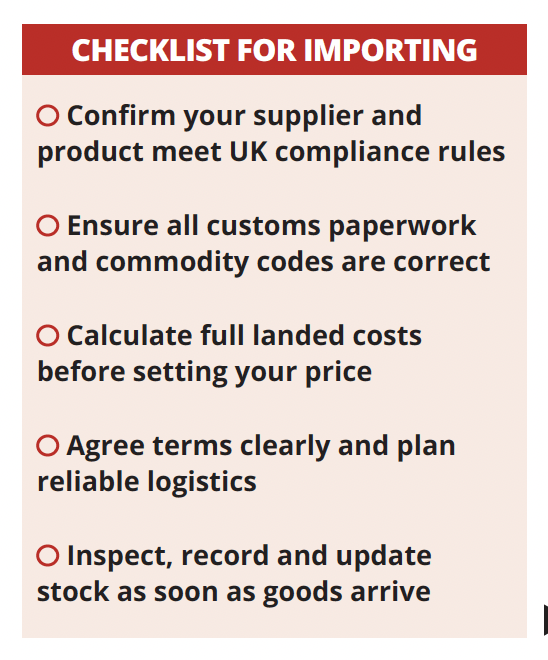
The UK import and export landscape may be more complex than it was five years ago, but it also offers opportunity for proactive wholesalers. Those who invest in compliance knowledge, diversify suppliers, manage currency risk carefully and explore export markets for British products will be better placed to thrive.
In today’s environment, international trade is not just a back-office function, it is a strategic driver of profitability. By taking a practical, informed approach to sourcing and exporting, wholesalers can uncover new avenues for growth in an increasingly competitive market.