
David Gilroy is the managing director of Store Excel
The road is long, with many a winding turn that leads us to who knows where’. Song title and band? Answers below. What we do know is that 2026 will be a challenge for the industry. The 2025 Christmas trading figures showed solid growth for most of the multiples – Asda excepted. The discounters increased their combined market share to 16.8%, with Lidl growing by 9.4%.
The growth combination of these two sectors put further pressure on convenience stores. In the hospitality sector, things look even tougher. When luminaries such as Jeremy Clarkson and Tom Kerridge are expressing concerns about being able to continue trading their pubs, and Kate Nicholls, UK Hospitality chair, predicting widespread closure of hotels, venues and restaurants, you know that serious trouble awaits. Further exacerbated by a shift in consumer behaviour away from eating out to buying premium in-home own-label meal solutions from the supermarkets.
Trading profitably will continue to be the number-one priority. Wholesale is resilient, adaptable and flexible enough to find commercial solutions and opportunities. It is the external government-induced factors that make the business landscape so uncertain. The ‘pro-growth’ government is instigating well-intentioned policies, which come with unintended consequences.
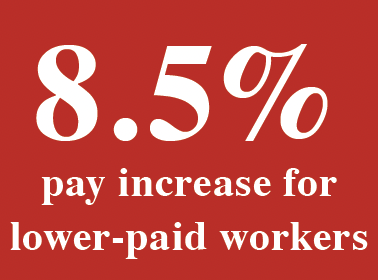
The 8.5% pay increase for lower-paid workers will undoubtedly put pressure on payroll costs. Businesses will look to contain or reduce headcount. Result: a recruitment squeeze, less people in work and reduced opportunities for young people. The increase in employers’ National Insurance will amplify the effect. This is one of many government ‘Subway Surfers’-style obstacles our industry will have to navigate.
Employment Rights Act
The Employment Rights Act 2025 received Royal Assent on 18 December 2025. Its core objective is to deliver the “biggest upgrade to workers’ rights in a generation” through reforms phased in primarily during 2026 and 2027.
There are several benefits that seem, on the surface, to be consistent with a civilised society in a developed country. They include Statutory Sick Pay (SSP) from day one of illness, extending sick pay to an estimated 1.3 million lower-paid workers; paternity leave and unpaid parental leave from day one; restriction of fire and rehire with respect to contract changes; and workplace safety and fairness clauses to prevent sexual harassment. The core upgrade is the reduction in the qualifying period for unfair dismissal from two years to six months and the removal of the cap on compensation for unfair dismissal claims. The impact of this legislation on firms could be profound.
Expanded SSP will cause a direct rise in payroll costs. Hiring flexibility will be compromised due to the shortened six-month window for unfair dismissal protection necessitating much more robust (and costly) probation management and recruitment processes. Extending the time limit to bring most tribunal claims from three to six months (starting October 2026) is expected to increase the volume of litigation. The maximum ‘protective award’ for failing to consult in collective redundancies will also double to 180 days’ pay.
Businesses face significant new compliance duties, including informing all staff of their right to join a union and producing equality action plans for those with 250-plus employees. Industries relying heavily on flexibility, such as hospitality and retail, face complex new rules regarding guaranteed hours and notice for cancelled shifts.
Read more: Gilroy’s viewpoint: A deep dive into the state of the industry
Deposit Return Scheme
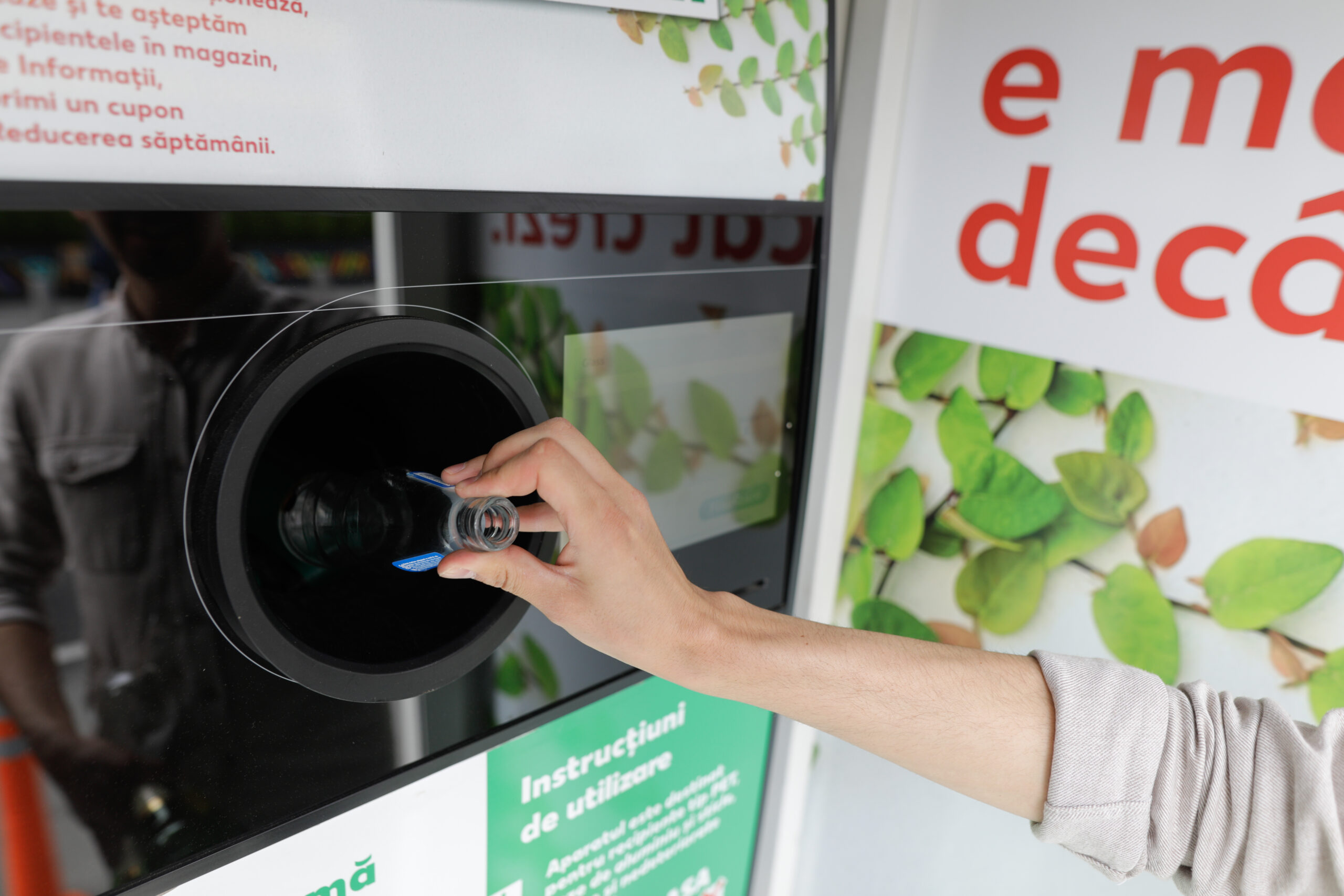
The Deposit Return Scheme (DRS) is scheduled to go live on 1 October 2027, following extensive planning throughout 2025 and 2026. The scheme will cover single-use plastic (PET), steel and alum-inium containers across England, Scotland and Northern Ireland.
The primary goal is to tackle the scourge of litter; drinks containers currently make up roughly 75% of UK litter by volume. It is estimated to reduce beverage container littering by up to 80%. The scheme targets a 90% collection rate by its third year.
Currently, around 30 billion single-use containers are sold annually, but billions are not recycled. By collecting materials separately through a dedicated route (rather than mixed kerbside recycling), the scheme produces cleaner, higher-quality materials that can be directly reused for new drinks containers, supporting a circular economy.
Implementation is expected to stimulate more than £10bn in investment and create roughly 21,000 new green jobs in the recycling and waste management sectors. This all sounds good – and who wouldn’t sign up to such an environmentally responsible plan?
However, there are downside risks for industry groups who cite substantial set-up and operational costs. For England and Northern Ireland alone, set up is estimated at £632m, with annual running costs of approximately £1.065bn.
Retailers (except small, ‘low-volume’ sellers) face operational complexity as they will be obligated to host return points, which may require expensive Reverse Vending Machines and dedicated floor space for storage.
While England, Scotland and Northern Ireland are aligned, Wales plans to include glass in its own scheme. This has created concerns about cross-border fraud and increased complexity for manufacturers supplying multiple UK regions. Success relies on a massive shift in public behaviour. Critics argue it may be seen as a ‘hidden tax’ if returning bottles is deemed too time-consuming or if return points are not sufficiently accessible.
Extended producer responsibility
In 2026, the UK’s Extended Producer Responsibility bill for packaging has entered a critical phase, shifting the full net cost of managing household packaging waste from taxpayers to the businesses that produce it. The legislation ensures businesses placing packaging on the market to fund the total cost of collection, sorting and recycling – an estimated £1.2bn-£1.5bn annually.
The scheme aims to incentivise sustainable design. Starting in the 2026/27 financial year, eco-modulated fees reward greener choices. ‘Green-rated’ (highly recyclable) packaging will benefit from lower fees, while ‘red-rated’ (hard-to-recycle) packaging faces escalating penalty multipliers (up to 2x by 2028). Fees collected via PackUK (the scheme administrator) are distributed to local authorities to improve household recycling services and infrastructure.
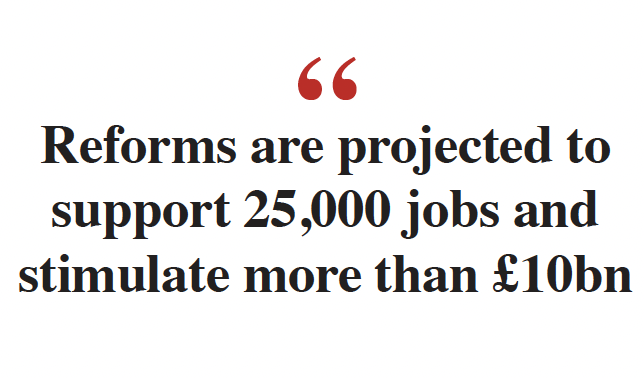
The reforms are projected to support 25,000 jobs and stimulate more than £10bn in investment in UK recycling capabilities over the next decade. The scheme encourages ‘closed loop’ recycling, where producers can offset costs by demonstrating they collect and recycle their own consumer waste. Reducing packaging waste is obviously the right thing to do, but it comes with its own set of potential downsides for the industry. The Bank of England estimates the scheme could add more than 0.5% to food prices as retailers pass on billions in new compliance costs.
Businesses face significantly more granular data reporting duties, including tracking ‘Nation of Sale’ data (sales specific to England, Scotland, Wales or NI) for the first time in 2026. Retailers warn that packaging waste costs could rise under EPR compared to the previous system. There is uncertainty for small businesses. While thresholds exist (£1m turnover and 25 tonnes of packaging), smaller businesses still face indirect costs through higher prices from their suppliers.
Forever tax rises
Following the 2025 November Budget, there are more taxes in the pipeline. The extension of the 5p fuel cut for a further five months helps consumers, but the tapering down of the support will add to operators’ costs. The increase in tobacco duty by RPI plus two percentage points is brutal and will likely drive tobacco trade further underground. A similar effect will be experienced when alcohol duty increases kick in this year. The introduction of mileage-based Excise Duty for electric and plug-in hybrid vehicles will cause uncertainty when, right now, we need to be going all out to transition away from fossil-fuel vehicles.
The road ahead promises to be a real-life Subway Surfers test. The song lyric was the first line in a hit for The Hollies ‘He Ain’t Heavy, He’s My Brother’. It was also featured in the movie Rambo III. Seems appropriate.