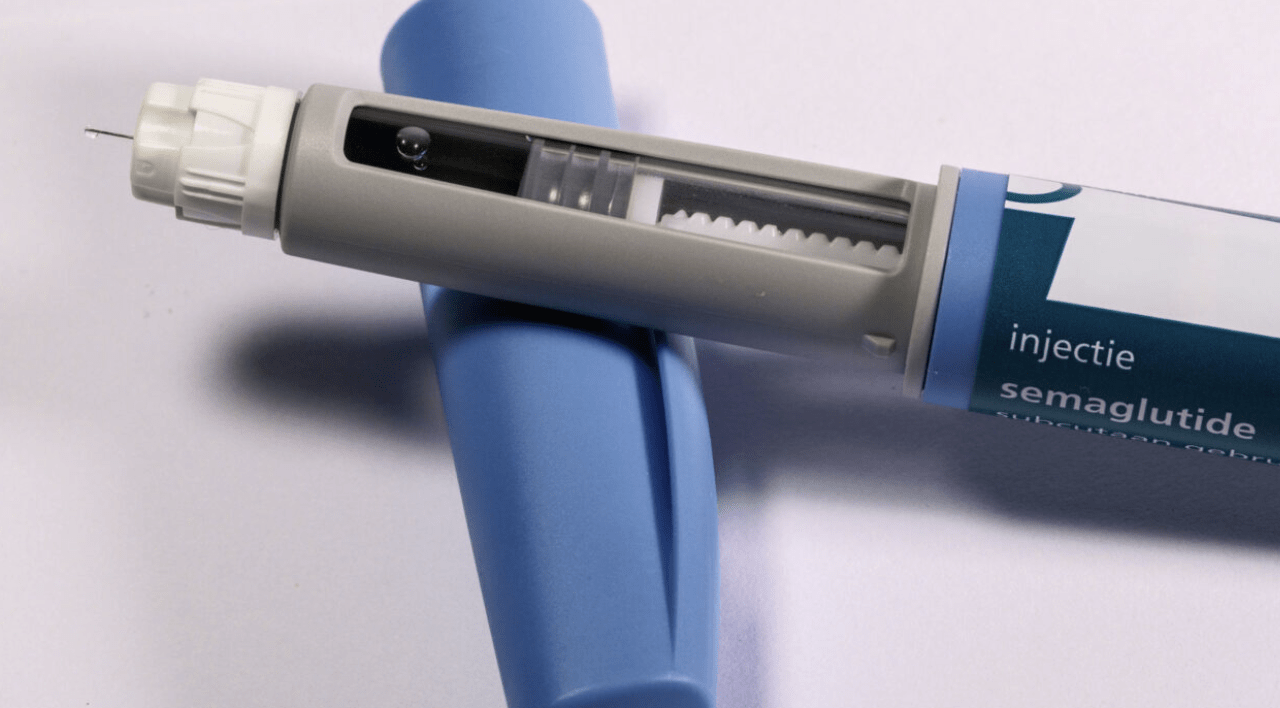
Grocery spending in the UK has fallen by £780m over the past two years due to the growing use of weight loss drugs, according to new research from Worldpanel by Numerator.
The findings, based on responses from more than 11,500 households, show the number of British households with a GLP-1 user has nearly tripled, with 1.9 million adults now using weight loss medication.
The proportion of households containing at least one GLP-1 user has risen from 2.3% in 2024 to 4.1% in 2025 and 6.3% in 2026.
Households purchased 299 million fewer grocery packs across the period analysed, while spending among GLP-1 user households was £418 lower than among non-user households.
The study found 75% of users were cutting back on chocolate, while 72% were buying fewer crisps.
Read more: Creed reveals foodservice trends for 2026
Since starting treatment, spending on chocolate and confectionery among GLP-1 users has fallen by 18 percentage points more than in non-user households.
However, one unexpected consequence has been a rise in spending linked to “Ozempic mouth”, a common side effect involving dry mouth and bad breath. Compared with non-user households, GLP-1 users recorded a 20 percentage point increase in mouthwash spending and a 24 percentage point increase in spending on chewing gum and mints.
Chantel Kennaugh, head of public sector and nutrition, GB, at Worldpanel by Numerator, said GLP-1 had become a “mainstream force” in a short space of time. Now, 68% of users are taking GLP-1s specifically to lose weight,” she said. “Opening them up to a much wider audience”.
“These drugs are fundamentally disrupting how people engage with food and drink, with ripple effects already being felt across grocery and lifestyle, forcing brands and businesses to adapt at pace.