

Operating wholesale distribution at net zero is beyond being a nice to have – it is essential
Perpetual heatwaves, rampant wildfires, river levels at their lowest ever, droughts and crop failures. There can be no doubt that after decades of pumping carbon into the atmosphere, the climate emergency has arrived. As reported in The Sunday Times, sir Chris Hohn, founder of the £60bn hedge fund TCI Fund Management, says that global warming is “blindingly obvious”, and that any idiot can see climate change accelerating.
He states: “If you aren’t decarbonising your business, you could go out of business.” He has given away more than £1bn of his personal wealth to tackle climate change. Is it possible to run a wholesale, logistics and distribution operation at net zero? Yes, it is. And it has been achieved many times.
One great example took place on 18 June 1815 at the Battle of Waterloo. Led by the Duke of Wellington, the Allied Forces secured a narrow and hard-fought victory over Napoleon’s French army. It proved to be decisive as it signalled the end to Napoleon’s imperialism and ushered in a long period of European peace. Of more importance to us for the purpose of net zero is the sheer scale of the endeavour on both sides. The Battle of Waterloo illustrates the immense logistical demands of Napoleonic warfare: feeding nearly 190,000 soldiers, sustaining more than 40,000 horses and keeping more than 500 artillery pieces supplied required an extensive transport system built almost entirely on animal power and horse-drawn wagons.
For the campaign, heavy supplies were moved by barges along Belgium’s rivers and canals before being transferred to wagons for the final overland journey. Historians estimate the armies were supported by several thousand wagons moving continuously between depots and the front. The campaign infrastructure supporting the engaged forces represented in the order of 6,000-8,000 tonnes of military material – a highly impressive exercise in pre-industrial age logistics. Impressive it was, but unacceptable by today’s standards. Medical care was primitive to virtually non-existent. And food quality was, at best, “variable”. Back to the question, can we hit net zero with modern-day standards?
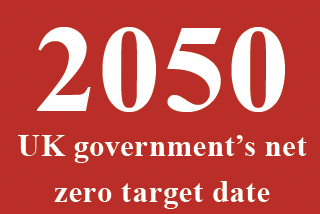
Climate change has become one of the defining challenges of the 21st century, requiring businesses across every sector to reduce greenhouse gas (GHG) emissions significantly. The UK has committed to achieving net zero greenhouse gas emissions by 2050 under the Climate Change Act 2008 (UK government, 2019), while many other countries have established similar targets.
Wholesale businesses play a critical role within global supply chains by acting as intermediaries between manufacturers and retailers. Although wholesalers often have lower direct emissions than manufacturing industries, they influence substantial emissions through transportation, warehousing, procurement, packaging and supplier relationships.
Read more: Scottish wholesalers take part in SWA net zero case studies
Operating at net zero means reducing greenhouse gas emissions as much as possible while balancing any unavoidable emissions through credible carbon removal methods. For wholesale businesses, achieving net zero requires improvements in energy efficiency, renewable energy adoption, sustainable logistics, responsible procurement, waste reduction, digital transformation and effective governance.
Businesses generally measure emissions using the Greenhouse Gas Protocol, which divides emissions into three categories. Scope 1: direct emissions from owned or controlled sources such as company vehicles and heating systems. Scope 2: indirect emissions from purchased electricity, heating and cooling. Scope 3: indirect emissions throughout the value chain, including purchased goods, transport, employee commuting, waste disposal and customer use. For wholesale businesses, Scope 3 emissions usually represent the largest proportion of their carbon footprint because products are sourced from manufacturers worldwide and distributed to business operators. There are six key areas of focus.
Energy-efficient warehouses
Warehouses consume considerable amounts of electricity through lighting, refrigeration, heating, ventilation and automation equipment. Improving warehouse efficiency represents one of the fastest methods of reducing emissions. Modern LED lighting systems consume significantly less electricity than traditional fluorescent lighting while lasting much longer. Motion sensors ensure lights operate only when areas are occupied, reducing unnecessary energy consumption. Heating and cooling systems also contribute heavily to emissions. Replacing conventional gas heating with electric heat pumps powered by renewable electricity can substantially reduce carbon emissions. Improved insulation, smart thermostats and energy management systems further decrease energy use. Automation technologies also improve energy efficiency. Automated storage and retrieval systems optimise warehouse operations, reducing travel distances for equipment while increasing productivity.
Renewable energy adoption
Electricity generation remains one of the largest contributors to greenhouse gas emissions globally. Wholesale businesses can significantly reduce Scope 2 emissions by purchasing renewable electricity or generating their own. Installing rooftop solar photovoltaic panels on warehouse facilities provides clean electricity while reducing operating costs over the long term. Large warehouses often possess extensive roof space, making solar energy particularly attractive.
Some businesses enter Power Purchase Agreements (PPAs), purchasing renewable electricity directly from wind or solar farms. Others purchase certified renewable electricity through energy suppliers. Battery storage technologies can store excess renewable energy generated during daylight hours for use overnight, improving energy resilience while reducing dependence on fossil fuel electricity. Renewable energy investments often have relatively short payback periods because of declining technology costs and increasing energy prices.
Sustainable transport and logistics
Transportation often represents the largest source of operational emissions for wholesale businesses. Goods frequently travel internationally before reaching warehouses and are then distributed nationally to customers. Fleet electrification provides one of the most effective decarbonisation strategies. Electric delivery vans produce zero emissions and become increasingly sustainable as electricity grids transition towards renewable energy. Hydrogen fuel cell technology may become particularly suitable for heavier vehicles requiring longer driving ranges, although infrastructure remains limited. Route optimisation software reduces fuel consumption by planning the shortest and most efficient delivery routes. Artificial intelligence can analyse traffic patterns, delivery schedules and vehicle capacity to minimise unnecessary journeys. Consolidating deliveries reduces partially loaded vehicles, improving fuel efficiency. Collaborative logistics allows multiple wholesalers to share transportation resources, reducing overall emissions.
Read more: Sysco partners with consultancy firm for sustainability programme
Waste management
Net-zero businesses seek to minimise waste generation while maximising resource efficiency. The waste focus prioritises prevention, reuse, recycling, recovery and disposal. Wholesale businesses generate cardboard, plastic film, pallets, damaged products and electronic waste. Effective segregation enables high recycling rates.
Food wholesalers can reduce waste by improving inventory management, using demand forecasting and redistributing surplus food to charities where legally permitted. Circular economy principles encourage businesses to recover products, refurbish equipment and recycle valuable materials instead of disposing of them. Reducing waste frequently lowers both environmental impacts and operating costs.
Digital technology
Digital transformation plays a vital role in achieving net zero. Internet of Things (IoT) sensors monitor warehouse temperatures, electricity use and equipment performance in real time. Artificial intelligence identifies inefficiencies that human operators may overlook. Cloud computing reduces reliance on physical servers while improving operational efficiency.
Digital documentation eliminates paper use throughout procurement, invoicing and logistics operations. Blockchain technology enhances supply chain transparency by recording product origins and sustainability information, allowing wholesalers to verify supplier environmental claims. Carbon accounting software enables businesses to measure emissions accurately, establish reduction targets and monitor progress over time.
Employee engagement and advocacy
Technology alone cannot achieve net zero without employee participation. Businesses should provide sustainability training covering energy conservation, waste reduction, sustainable procurement, efficient driving and environmental awareness.
Employees often identify practical opportunities for improving efficiency because they understand day-to-day operations. Incentive programmes rewarding sustainability innovations encourage continual improvement throughout organisations. Leadership commitment remains essential for embedding sustainability within organisational culture.
Operating at net zero is both the right and the smart thing to be doing. And now it’s urgent.