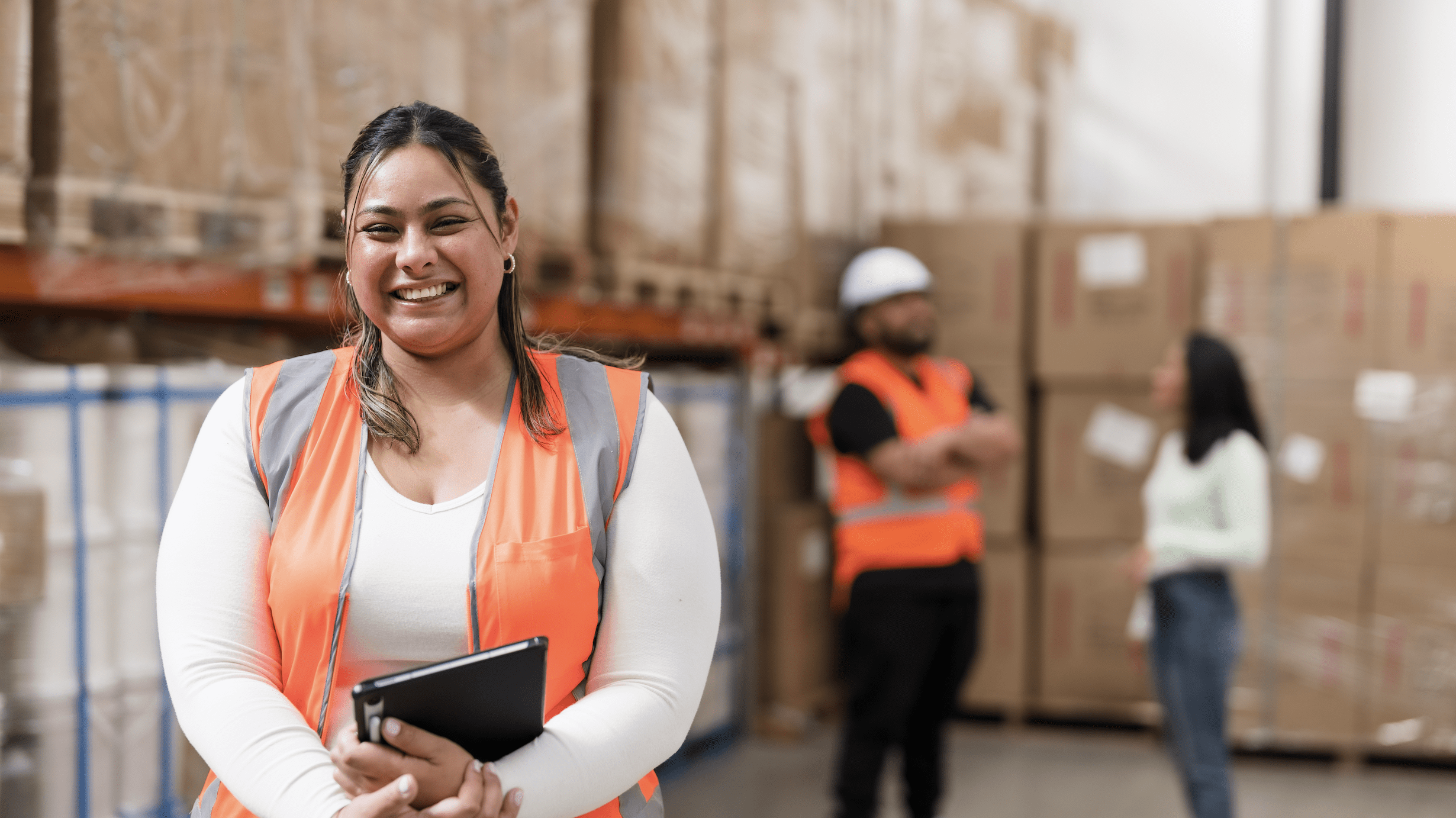
Paul Hill speaks to some of the most influential female leaders in wholesale to ask about their challenges, what they have learnt, and find out what advice they would give from their years in the channel
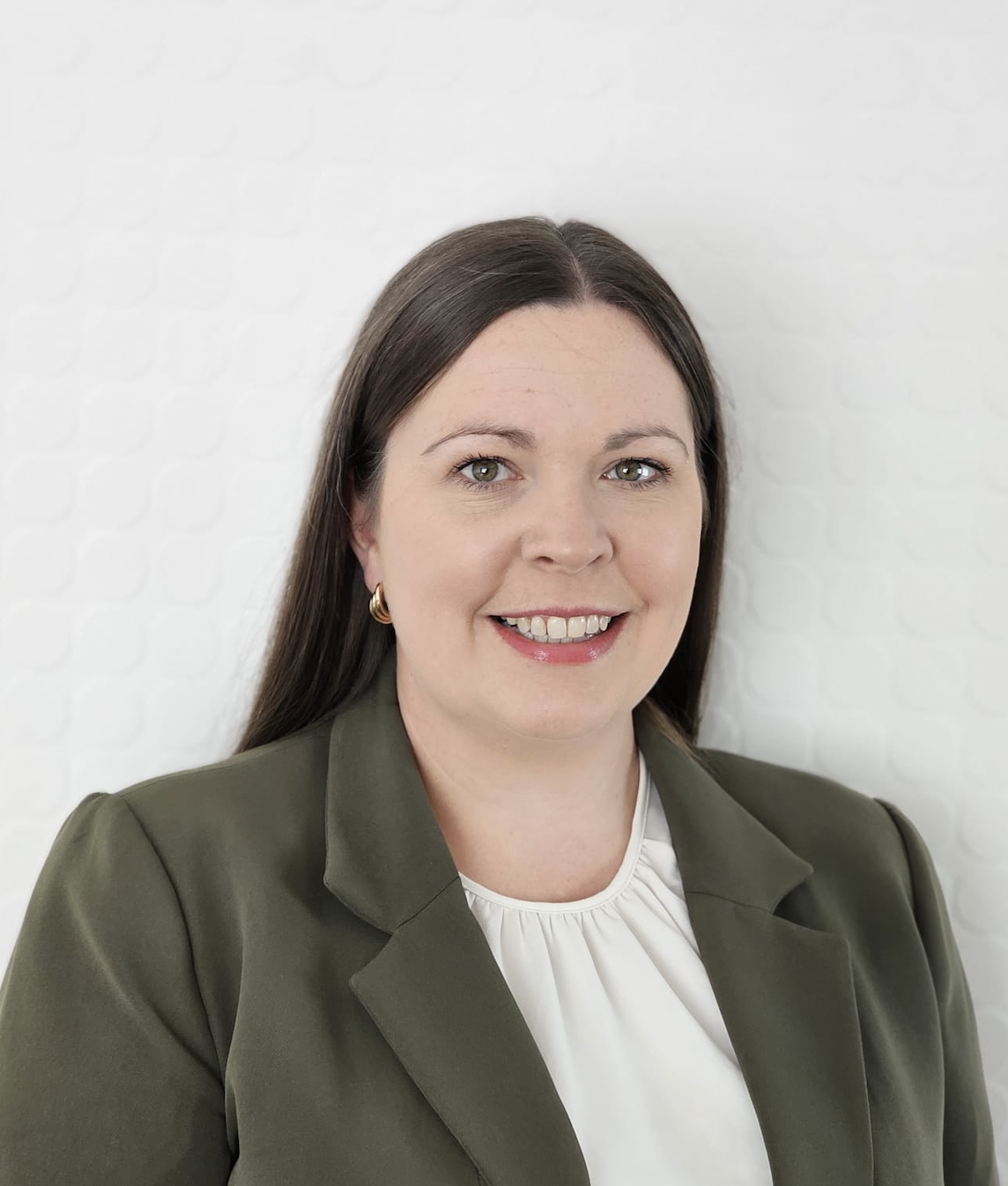
Stacey Gooch, Regional Director, Booker
What have you learnt from being a female leader in wholesale?
I’ve learnt that wholesale is an industry where authenticity matters. Being your true self builds trust, and that trust is the foundation for great teams, strong leadership, and lasting relationships with customers.
What advice would you give to other women looking to further their career in wholesale?
I’d encourage women to embrace networking opportunities wherever possible. In wholesale, and particularly at Booker, there are so many roles across different functions, and strong networks can help you see and explore those opportunities. I’d also say don’t be afraid to step outside your comfort zone—this is where real growth happens, both in your skill set and in your self-belief.
What is the biggest challenge women face in wholesale?
I believe one of the biggest challenges is increasing female representation at all levels, particularly in leadership. Visible role models are incredibly important—when women can see others succeeding in roles that have traditionally been male-dominated, it reinforces that those opportunities are attainable.
Read more: Rowland hands over Women in Wholesale keys to FWD

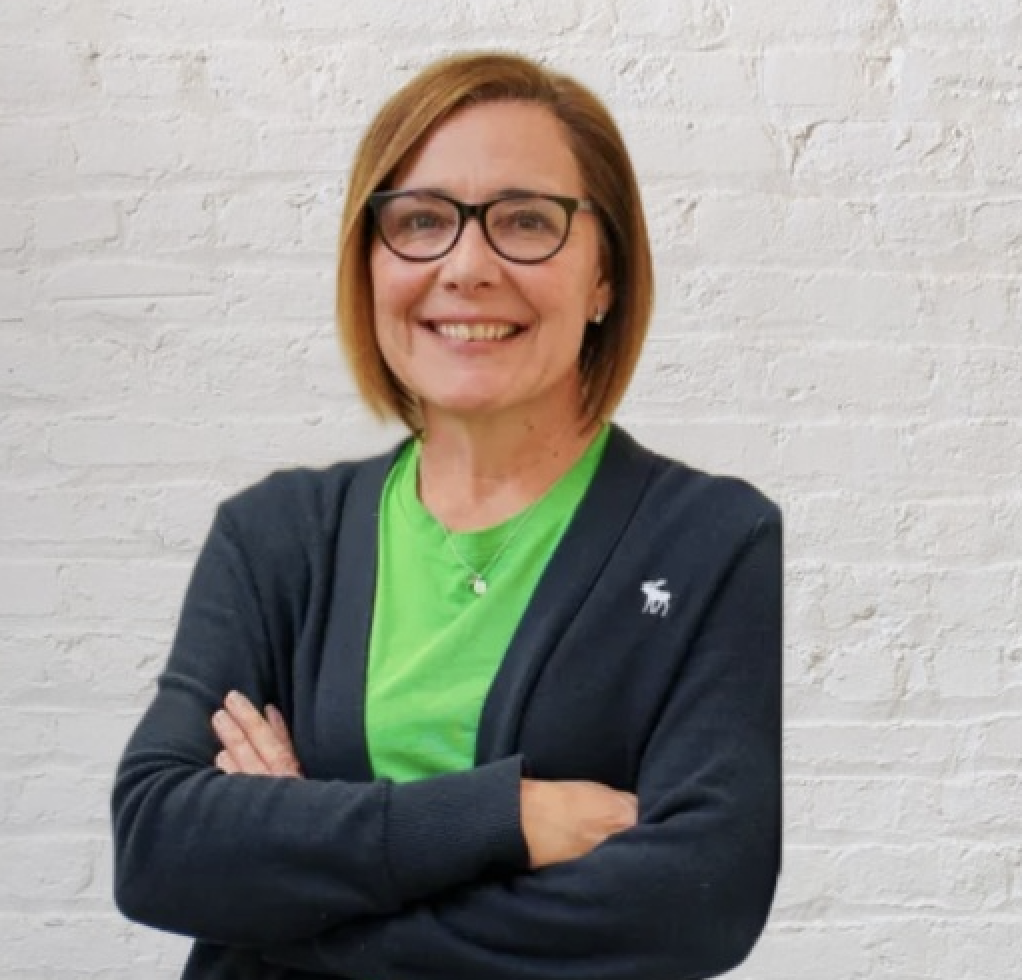
Nikki Castley, Commercial Manager, The Cress Company
What advice would you give to other women looking to further their career in wholesale?
Having spent 13 years at The Cress Co, working my way from Buyer to Commercial Manager and now supporting both Cress Co & Adamsons Drinks, the biggest lesson I have learnt is that nothing happens without a strong team. The pace, pressure and constant problem‑solving only work when you have people you trust and who pull in the same direction. Learning the business from the ground up has shaped who I am as a person and a manager – staying close to the detail, understanding our market and making decisions that support both the business and our people.
My advice to women progressing in wholesale is to believe in yourself and build a network that genuinely helps you to grow. Surround yourself with people who challenge you and champion you in equal measure, ones who push you when you need it and back you when it matters. The right people make the tough days easier!
One of the biggest challenges women face in wholesale is visibility. Women are still under‑represented in senior roles, even though the industry is full of opportunity. But the sector is changing, and every woman who steps into leadership helps shift the culture, building a more resilient, future‑focused industry.
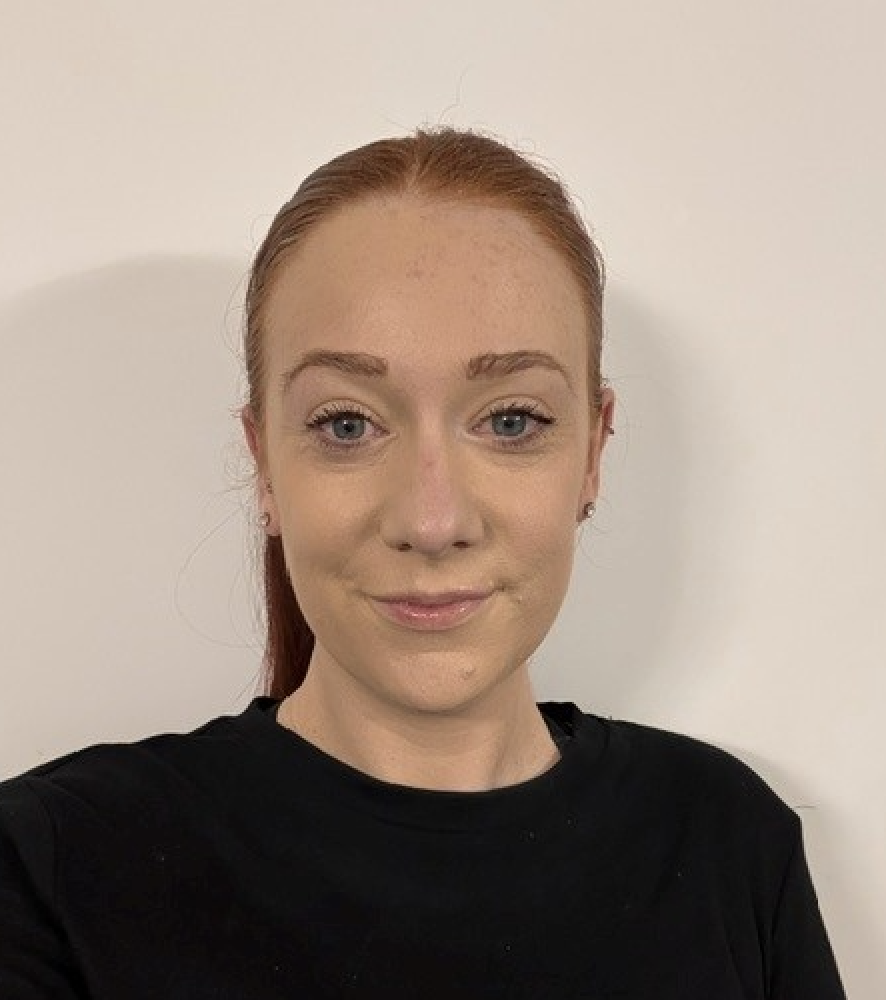
Siobhan Afford, Regional Operations Director, Sysco GB
What you have learnt from being a female leader in wholesale?
There is no doubt that entering a male-dominated depot environment as a young female is challenging and while times are definitely changing, there is still some way to go before there is universal acceptance. When I took on my first depot General Manager role at the tender age of 23, having a young woman in that position was pretty much unheard of. You learn pretty quickly that you need to back yourself and be resilient.
I am pleased to be a pioneer, and, hopefully, as the industry sees the value that women can add in operational positions, it opens the door for others. We’re certainly seeing an increasing number of women running key departments and depots across Sysco GB and hopefully the same is true for the rest of the industry.
What advice would you give to other females looking to further their career in wholesale?
I think as women, we can sometimes second-guess our own actions, but it’s important to have confidence in yourself and don’t be afraid to speak up or say what you’re thinking.
Also build a network of supportive people around you, not just other women, but allies who will try to help you overcome any barriers.
What is the biggest challenge women face in wholesale?
Unequivocally unconscious bias. It’s a real challenge when you know people are mentally judging you – will she be going off on maternity leave or will she be able to cope in a male-dominated industry, instead of understanding the different perspective that women can bring.