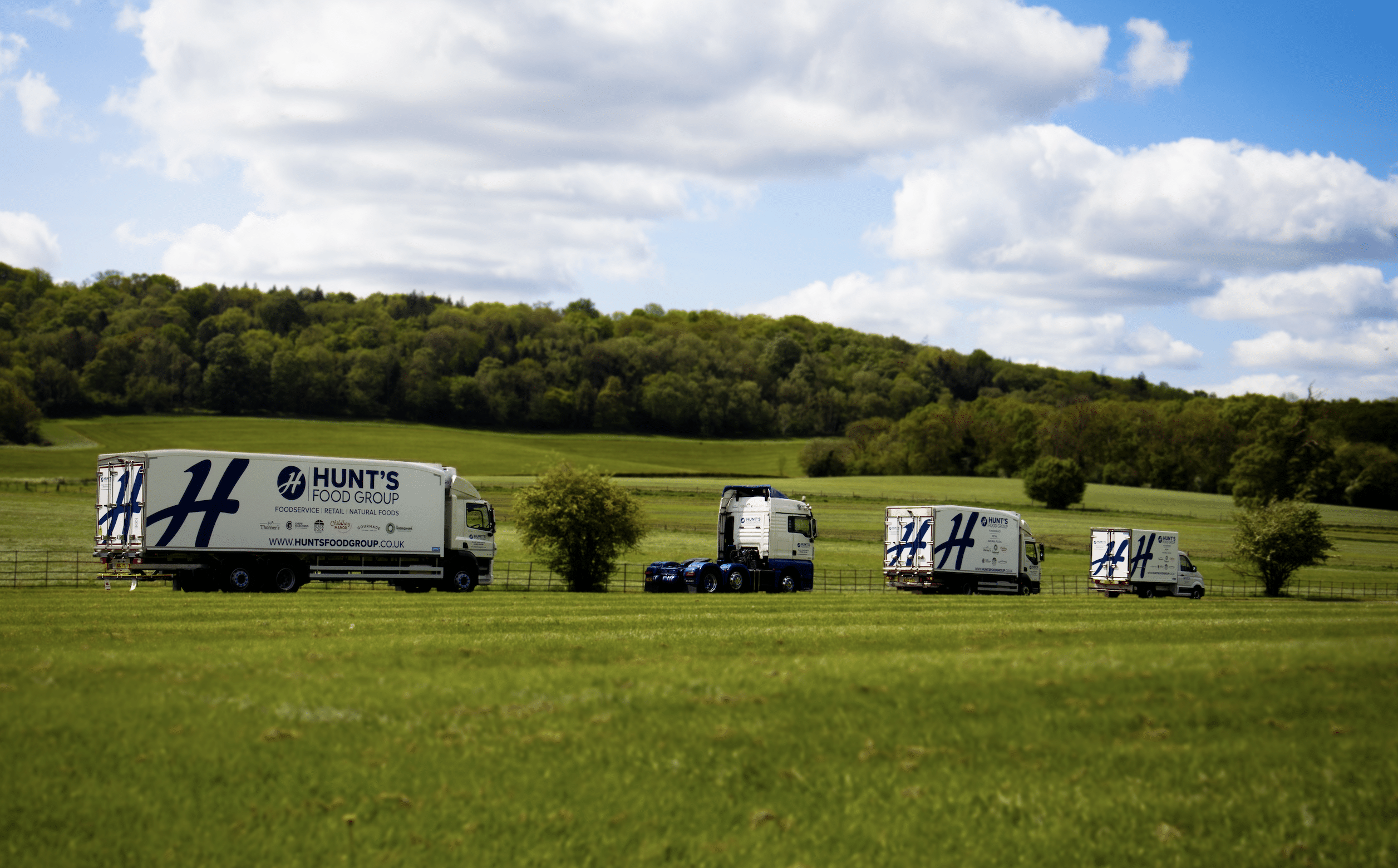
Paul Hill visited Dorset to find out from chief executive Thomas Hunt how the fifth-generation business is managing to balance financial and sustainable growth
PH: What is the history of the business?
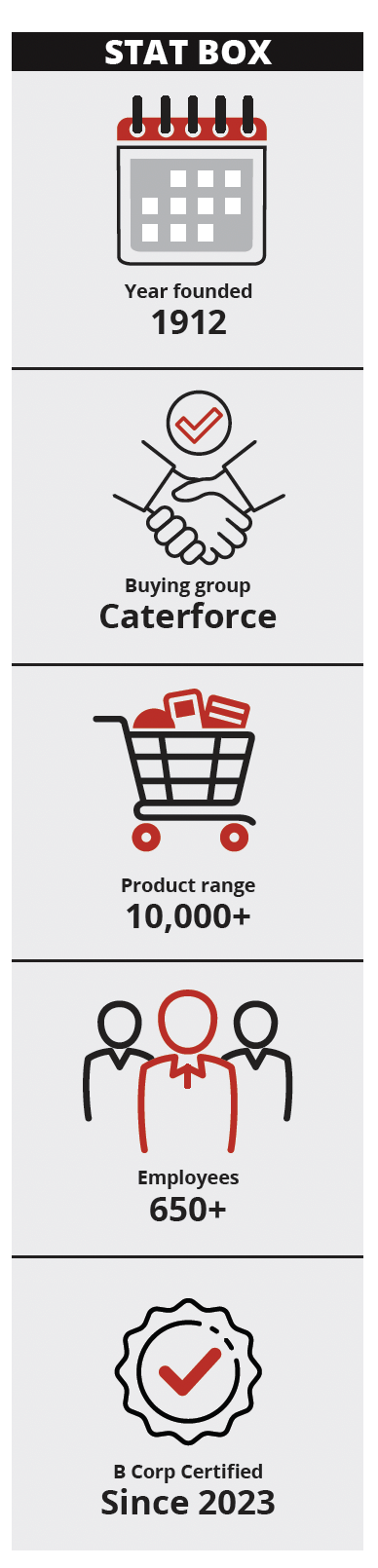
TH: As a fifth-generation family-owned and -run business, Hunt’s started in 1912 with a small dairy herd at Blackmarsh Farm in Sherborne, Dorset. More than a century on from Ernest Hunt’s first milk round, it now employs more than 650 people.
We are a leading supplier of catering, retail, natural and well-being products, with a range spanning more than 10,000 products – from fresh, chilled and frozen foods through to everyday cupboard essentials and beverages.
We also stock well-known household brands alongside our own exclusive own-brand products, so we pride ourselves on being a genuine one-stop partner for our customers.
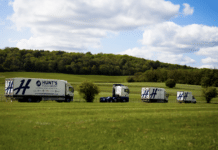
We haven’t stopped at food and drink, either, as last year we bought a commercial vehicle workshop that is an approved MAN dealership to bring all our fleet maintenance in house, which cut costs and improved efficiency across our fleet.
Who are your customers, and do you have plans to evolve this?
We supply more than 6,000 businesses across the south of England, south Wales and the Midlands, spanning sectors including education, healthcare, hospitality, retail and leisure. The business has no plans to increase its geographical area – however, we do have a plan to increase sales through high service levels, a great product range, our exclusive own-brand products, as well as our brilliant team.
Selling newer categories into our customer base, such as fresh fruit and vegetables, non-food and artisan cheeses, is also a focus.
What gives your business its USP?
Our USP is being a sustainable, one-stop independent wholesaler that delivers big-business scale without losing sight of our family values. Our business is based on the values of personal touch, relentless determination, and being selfless, adaptable, trustworthy and dependable. These guide everything we do.
While we are focused on commercial growth, our priority is, and always has been, our people. This is why we are a Sunday Times Top 100 employer and hold Living Wage, Living Hours, B Corp and Disability Confident accreditations.
We’ve also donated more than £1m to charity during the past four years and are continually investing in our people, with our colleague retention currently at an all-time high.
What is the overarching five-to-10-year strategy for the business?
We want to follow our vision of being a business that manufactures, sells and delivers great-tasting food that was set out five generations ago. To achieve this, we want to maintain a desirable working culture. This means continued company events, investment into facilities and equipment, listening to our colleagues and the company advisory group, and fair remuneration packages.
Our aim is to grow sales by 5% each year and will remain so. This requires investment into vehicles and warehousing. The south-east is also an area we are targeting for future growth. We plan to increase the range of exclusive own brands available to our customer base. Our farming roots also ensure we are passionate about the farm-to-fork offering we achieve through the Thorner’s brand and we want to build on its success.
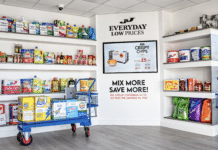
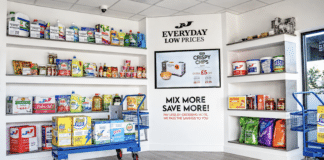
Increasing operational service levels through end-to-end scanning is also something we will introduce next year. In addition to this, embracing technology and AI into our internal systems will be a key focus, as well as trying to minimise our cost base offering as a competitive price point to our customers. Growth of other parts of the business, such as further Hunt’s Food Halls, is another area we will look at.
Furthermore, we plan to make a positive impact in the local community in terms of charitable giving, employment and working with local producers wherever possible while doing this in a sustainable and environmentally conscious manner.
What is the biggest challenge that the business faces?
Our rising cost base and trying to become more efficient to avoid passing as little as this onto our valued customers as possible.
Large increases in wage costs resulting from significant wage inflation over the previous five years has been a huge challenge, alongside the significant increases in overhead costs such as fuel, vehicles and refrigeration. To mitigate this, the business has tried to embrace technology and the use of AI as far as possible, route our vehicles more efficiently, as well as purchase a vehicle workshop to reduce associated maintenance costs.
What work has the company done to improve its environmental footprint?
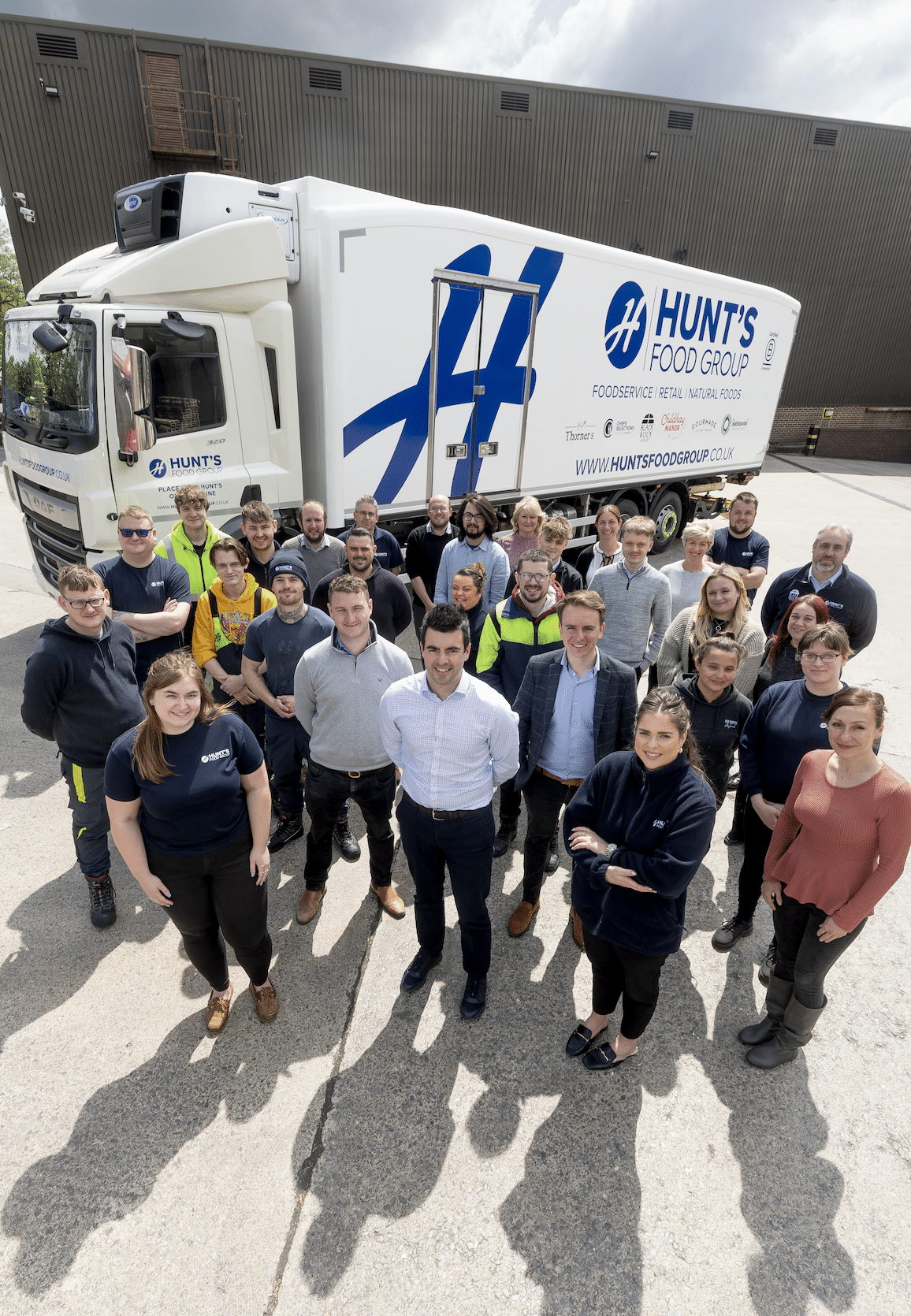
We’re the second food wholesaler in the UK to hold B Corp Certification, reflecting our generations.
Among our initiatives are implementing solar panels on all buildings, eliminating food waste by working with the Devon and Cornwall Food Action Group, as well as local food banks, and utilising our colleague canteen and retail enterprises.
Tree planting and rewilding projects are other areas that have helped our green credentials, along with the running of our fleet on biodiesel.
Moreover, our own dairy and beef herds allow us to minimise our ecological footprint while maximising the health and quality of our produce.
How do you ensure that the business has a strong gender balance and is attracting the workforce of tomorrow?
The business has a strong gender balance as emphasised by our gender pay gap report. This has happened organically – however, it is monitored regularly by our HR Team. Gender balance has also improved significantly in operational roles such as warehousing and transport in recent years, which we are very proud of.
In order to continue this good work, we are improving facilities, equipment, training and qualifications, and promoting a culture that provides flexible working where possible and an increasing of remuneration packages.
In addition to this, the business has always partnered with local schools, attended career fairs, and provided work experience and temporary roles in school holidays. With a strong ‘promote from within’ culture, several colleagues have completed apprenticeships, additional training and qualification at Hunt’s.
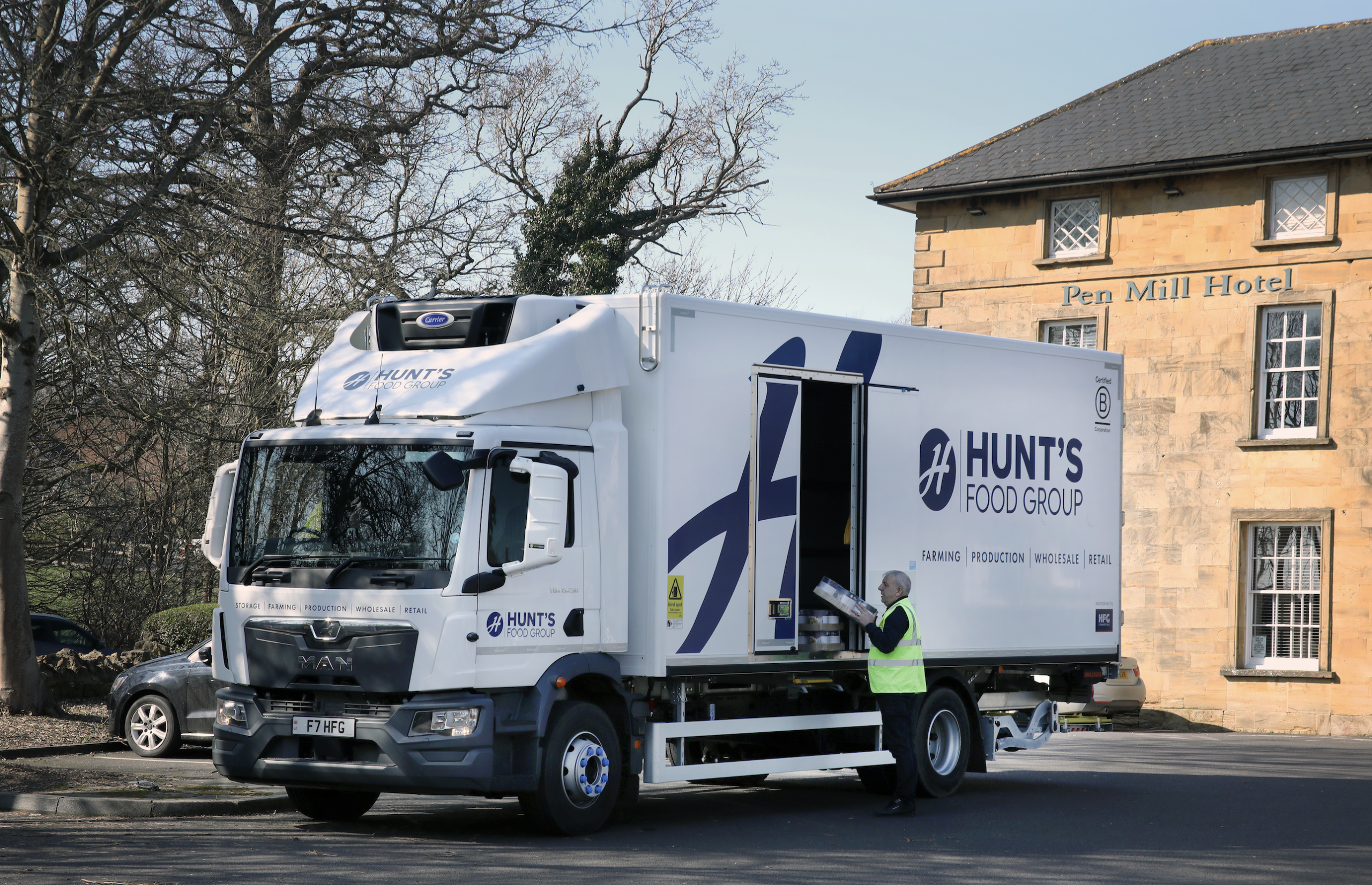
Our driver’s academy also takes driver’s mates or van drivers through their HGV qualifications and CPC days.
What is your opinion about Andy Burnham as PM?
Ultimately, our focus as a business is on our team, customers and suppliers – trying to be the best we can be. We can’t alter or influence the political landscape, and time will tell how successful Andy Burnham will be. Our hope is he supports our customer base and hospitality as it plays a vital role in society.