From major legislation to making the most of product launches, this year’s annual event was full of insight into how major wholesalers are improving their services for convenience stores. Alex Yau reports from Food & Drink Wholesale Live! 2026
DRS
The upcoming October 2027 sustainability legislation and its formed one of the major talking points during the day. Retailers were warned not to buy a reverse vending machine (RVM) yet, as scheme administrator Exchange for Change (EfC) approved manufacturers by the end of July.
The equipment will allow consumers to return their empty single-use drinks contain-ers and receive their deposit back at a participating site. Any retailer with a non-approved RVM will likely not receive a grant, even if they are eligible. Scottish Wholesale Association “Anyone looking to buy an RVM, don’t. If a producer is not on that list, then that RVM will not get an uplift. It’s a real, important warning for anyone looking to buy an RVM.”
Concerns were raised during the panel on whether the DRS will cause friction between staff and customers, particularly if a price-marked drink does not include the deposit on the packaging and the cost is only communicated at the till.
Responding to an audience member urging for clarity on the issue, EfC non-executive director and former Bestway senior employee Richard Booth said: “Absolutely. It’s been noted, and there is a document I’ve read which specifically states that we should be clarifying it.”
Changing consumer habits
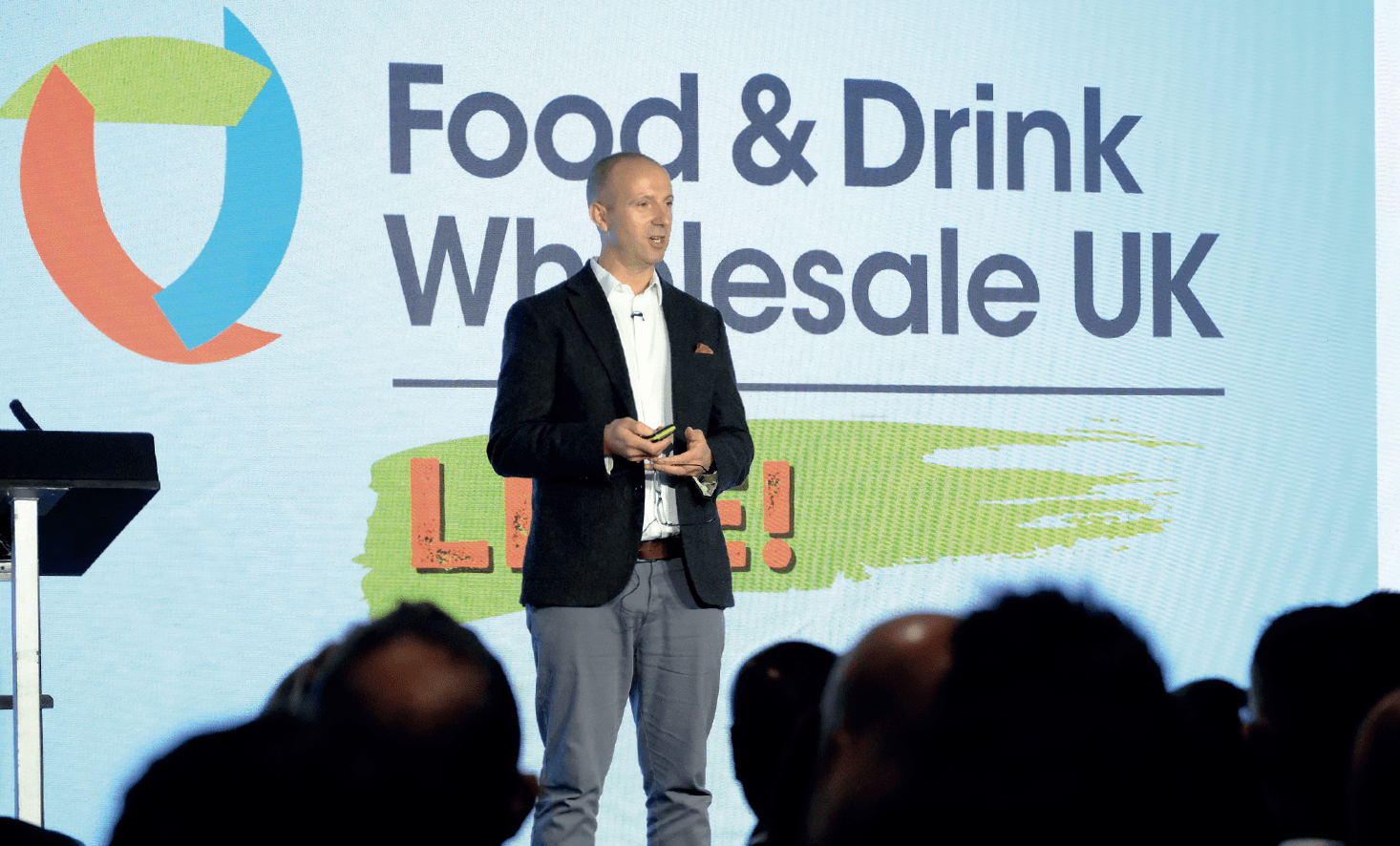
Jayne Webb, director of insight at research firm TWC, revealed that recent inflationary pressures had reduced the number of products in a basket while encouraging customers to go elsewhere for their shop. –
nity for small shops to cater to customers spending more time at home to help offset the decline. a record high at the moment in supermarkets, and own label has the highest share it has ever had. We can see hospitality is outperforming retail, not necessarily clubs and bars, but coffee shops and takeaways.
“Hospitality is growing through increased spend and frequency of purchase. With younger shoppers, spend is moving out of traditional retail.
“Gaming, subscription and streaming platforms are on the up. The message here is that before shoppers have gone into a store, they’re already spending elsewhere. Decisions have already been made. The latest estimates are that £30-£60 a month is being spent on subscriptions.”
Webb added that some retailers were taking on restaurant elements for their food to go to differentiate and boost overall sales. The success was behind emphasising locally sourced goods.
Read more: FWD launches cross-sector food resilience commission
AI
Adoption of artificial intelligence (AI) from wholesalers to support their retail customers was still mixed.
The Wholesale Group is a buying group which represents several convenience wholesalers. The firm’s managing director of retail, Tom Gittins, told attendees the firm was using AI to help its staff answer customer queries and resolve orders much more efficiently.
According to Barclays head of retail and wholesale Matt Ryan, more wholesalers were looking to AI to offset growing cost pressures from legislation and rising wages. He added that despite this, wholesalers were seeing the most growth opportunity from potential takeovers of other firms and geographic expansion.
More supplier support needed
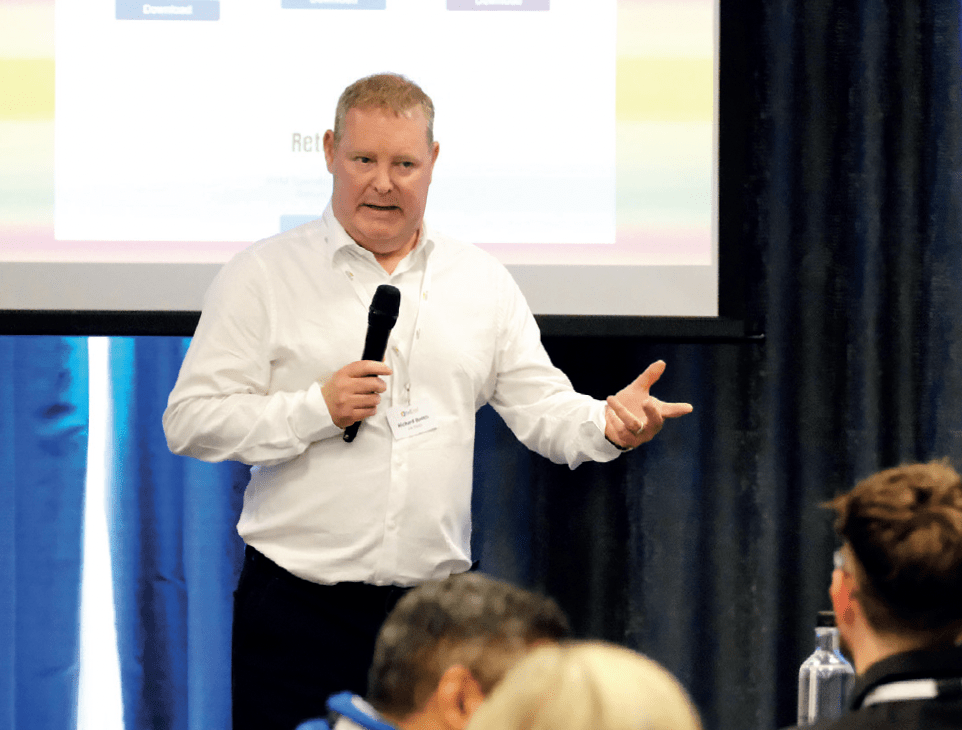
During a panel featuring retail-ers Atul Sodha, Suki Atwal and suppliers were criticised for their lack of support in product launches and promotions. Earlier in the panel, innovative product launches such as chocolate chicken drumsticks and Labubu dolls, which have helped store owners generate were referenced. agreed that major suppliers were slow in releasing new and unique products.
Athwal said: “As retailers, we’re taking a punt on new products as well. We have to buy it and make a display or two on our shelves. Sometimes we win, and sometimes we lose. If suppliers are too scared to take a punt, then we’ll take our money elsewhere.”
Sodha added: “Don’t be under any illusion. If you’re not providing [a new and unique product], we’ll go and get it elsewhere. Be disruptive, we need something that stands out.”
Wholesalers were also urged by the retailers to improve the promotions on their products. Dhasee said: “Promotions are just very run of the mill now. Yes, we don’t own them, but we need the support and help to get a better margin.”
“The problem is that the same old promotions are being churned out over and over again,” Sodha explained. “We need to work together more.”