
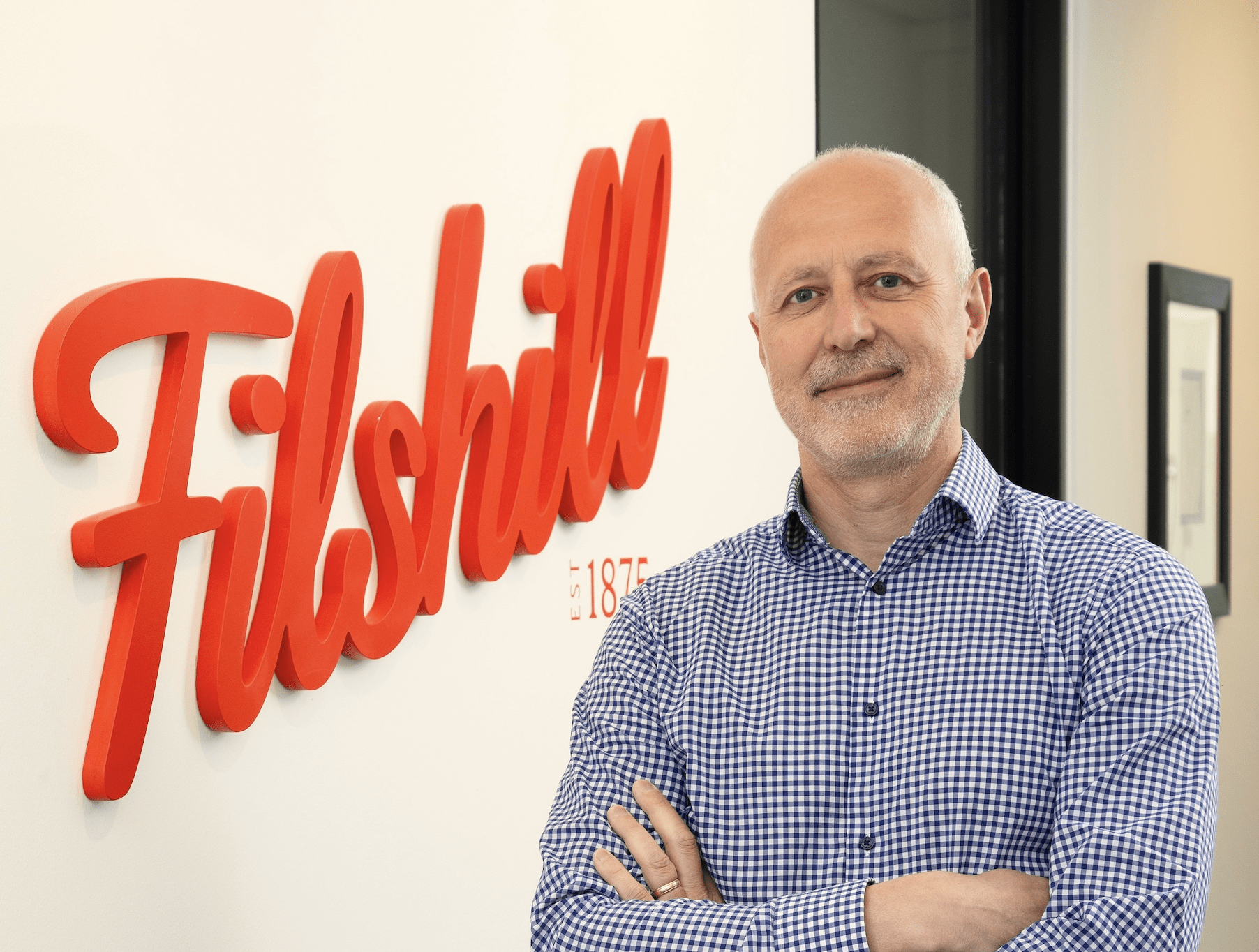
JW Filshill saw turnover slightly fall from £214m to £213m for the year ending January 31, 2026 amid what the business calls ongoing challenging market conditions.
The Scottish wholesaler also saw operating profit slightly down at £4.1m against £5.0m the previous year, with the drop of £0.9m put down to increases in employers’ national insurance contributions and the minimum wage. The company also invested heavily in product development relating to its Eldorado Tonic Wine brand.
However, profit before tax increased 72% from £4.9m to £8.4m, primarily due to the revaluation of its investment properties, in particular its former headquarters at Ainslie Avenue, Hillington, from where the business relocated in 2023.
Keith Geddes, chief financial and operating officer, said: “We have continued to deliver against our clearly defined corporate strategy and ambitions and drive efficiency throughout our operation. This improved efficiency is more essential than ever given the increase in costs driven mainly by changes to fuel, living wage and employers’ national insurance costs.
Read more: Filshill ranked number one wholesaler for 16th year running
“The directors are pleased with the company performance and are confident that profits will continue at a satisfactory level going forward. The long-term success of the company is central to everything we do. We invest heavily in long-term return projects to protect future revenue streams. This includes constantly updating our technology, equipment, and vehicle fleet on an ongoing basis – an approach that has resulted in greater efficiencies and customer satisfaction.”
Noting that Filshill continued to invest heavily in upskilling its employees to take full advantage of advancements in artificial intelligence, he said: “We will ensure that we make use of these tools across all areas of the business.
“We also continue to push forward with investment in other areas of technology such as the innovative use of data, Scope 3 emissions tracking software and industry-specific opportunities for our KeyStore customers in relation to, for example, electronic shelf-edge labels.”
Filshill, Mr Geddes said, continued to measure revenue, gross margin and operating profit as key financial indicators and monitor non-financial KPIs including staff measured performance and sales service levels, range achievements, unanswered telesales call, returned orders, and early warning date codes. “KPIs are reviewed weekly and monthly with all of our departments’ management collectively in order to provide full transparency across the business,” he noted.