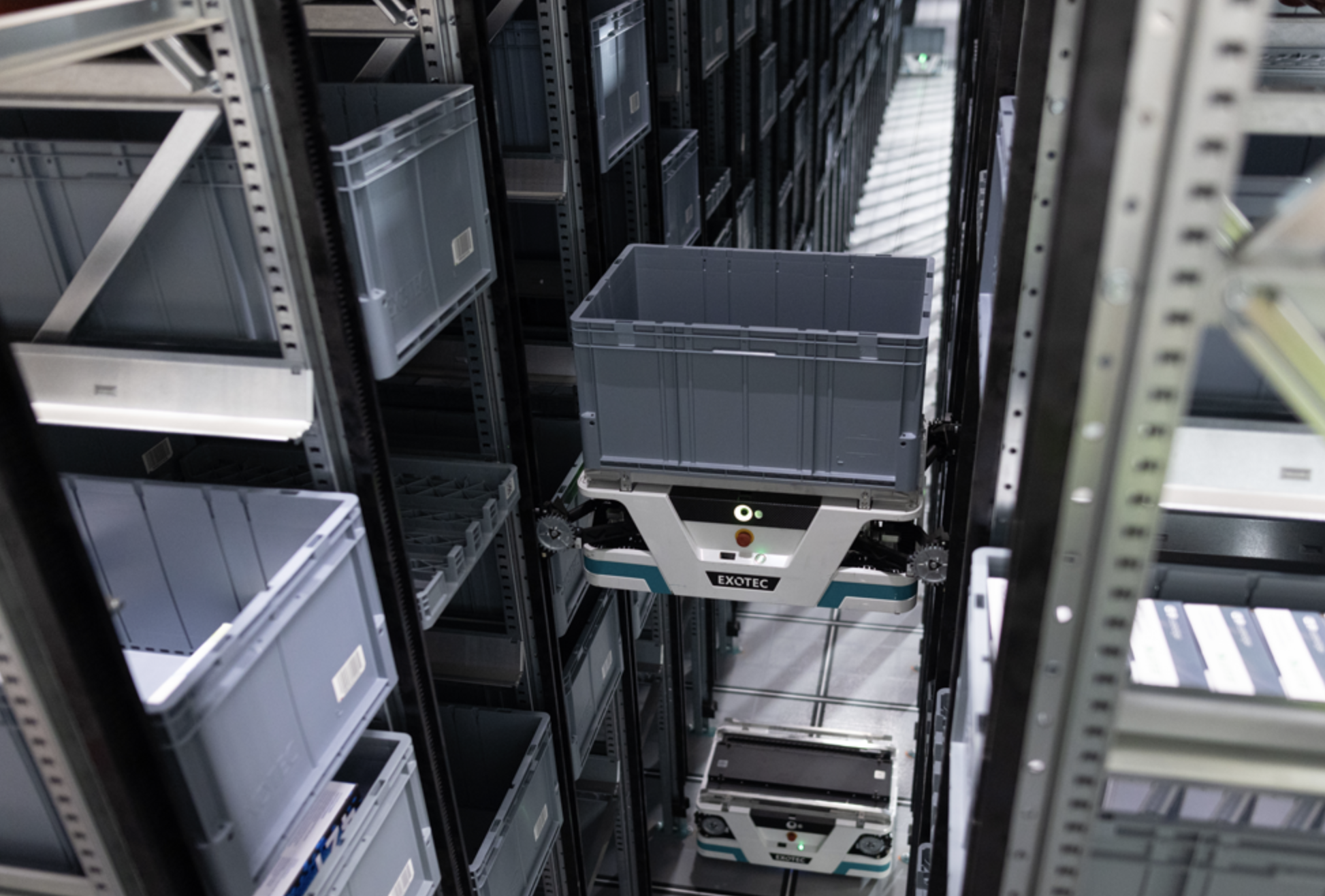
Wholesalers can potentially reduce their total carbon emissions by up to 25% by automating their warehouses, according to new findings.
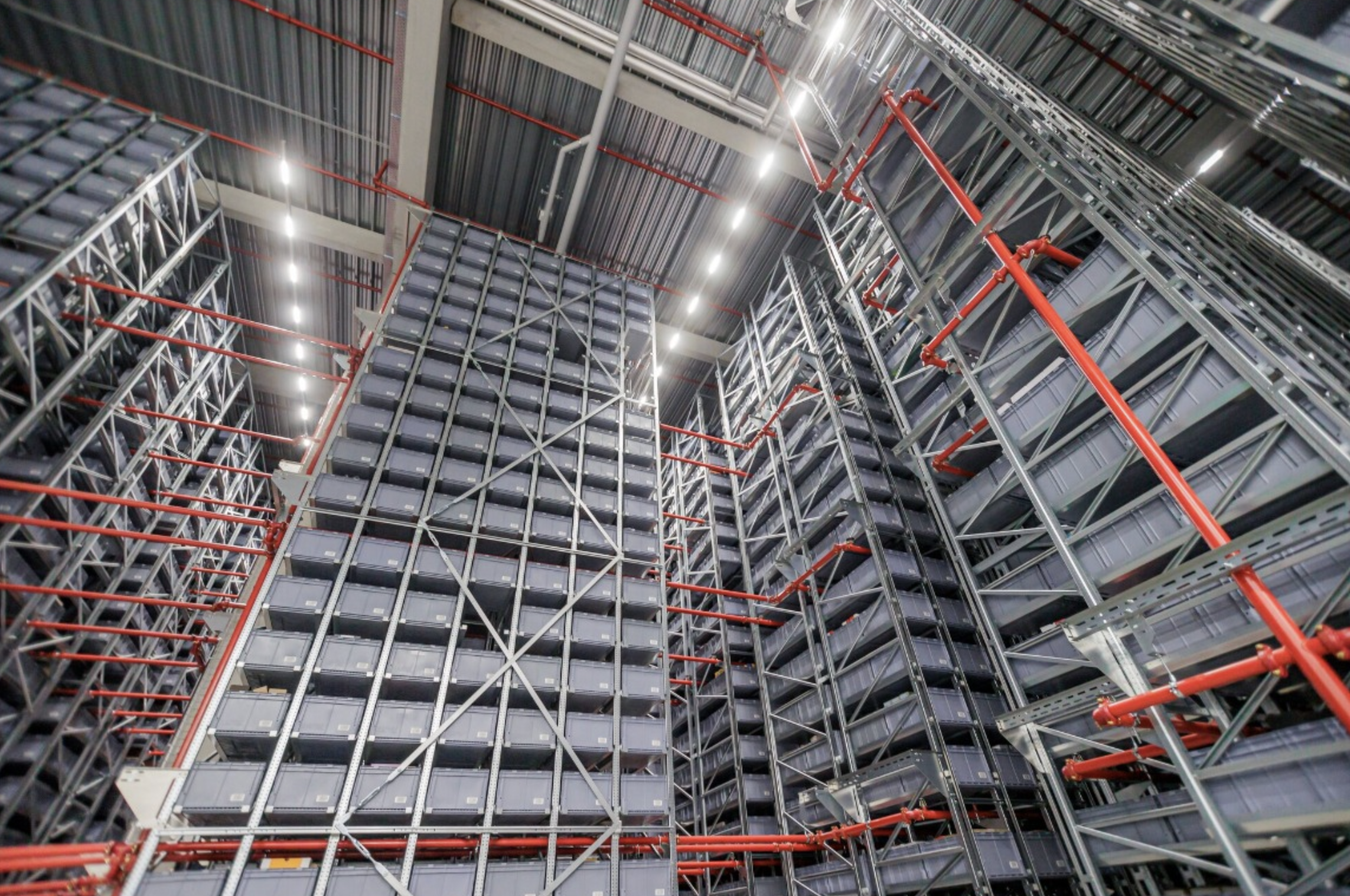
Exotec’s annual ESG report describes this as ‘one of the most overlooked opportunities to reduce the industry’s carbon footprint’, with the savings made by the increased density that warehouse automation offers. Furthermore, by storing goods more densely and at height, warehouses can be built 40% smaller than with manual operation.
Read more: LWC unveils ESG road map
The findings come from two studies commissioned by global warehouse automation firm Exotec. The first study was conducted together with ADEME, the French state agency for ecological transition, as a life-cycle analysis. The second was carried out with the global management consultancy Argon & Co, which compared five different picking technologies across a range of scenarios.
Both studies found that a building’s environmental performance is determined by two key factors – the building itself and its energy consumption. The single most powerful lever for reducing both is compactness.
‘In logistics, the focus of sustainability is often on transport, packaging and travel,’ said Andreas Stöckl, sales director for Exotec in Europe, ‘but when you can build upwards rather than outwards, the carbon footprint of a warehouse drops considerably.
‘A smaller, denser warehouse requires less building material, less land and less volume to heat. Heating accounts for the majority of a warehouse’s energy consumption, so reducing that is a must if warehouse operators are looking to reduce their carbon footprint.
‘Also, by storing more densely and at height, the same capacity can be achieved in significantly less space, allowing companies to avoid expanding or relocating to a larger facility, and save the emissions such expansion would entail.’