Paul Hill was in Essex to see how Rowan International is taking an excess stock problem and turning it into a huge opportunity with a sustainable benefit across the supply chain
PH: What attracted you to Rowan and the excess stock wholesale sector?
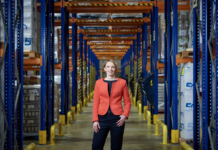
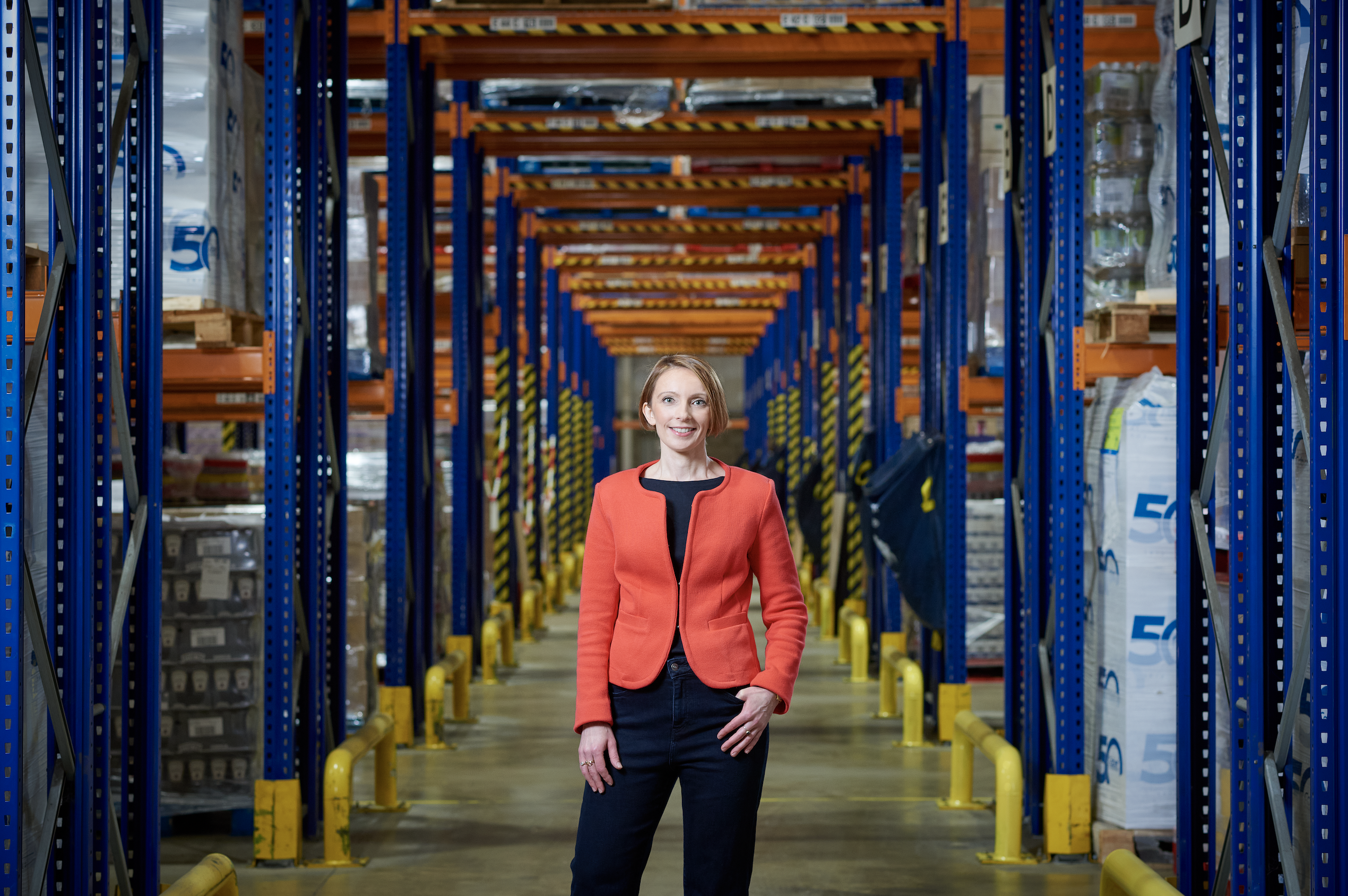
Sarah Guest, managing director: The ability to solve a problem and support sustainability in the FMCG market.
When I arrived at Rowan, I realised that excess stock was often associated with dusty, old products that nobody wanted. But what I saw was high-quality, big brands that were still perfectly fit for purpose, in excellent condition, just in need of a new home.
Historically, it was almost a hush-hush sector. People didn’t really talk about the fact that businesses like Rowan could take a problem away from a manufacturer. I wanted to change that perception and show that excess stock can actually be a really valuable part of the FMCG supply chain. We’re providing a genuine alternative route to market, supporting manufacturers with their goals of reducing landfill and destruction, while protecting the brand equity they spend years building. It’s increasingly important for manufacturers to be able to demonstrate what happens to their products and improve traceability. So, we offer both a commercial and sustainable benefit.
What sort of products do you trade in?
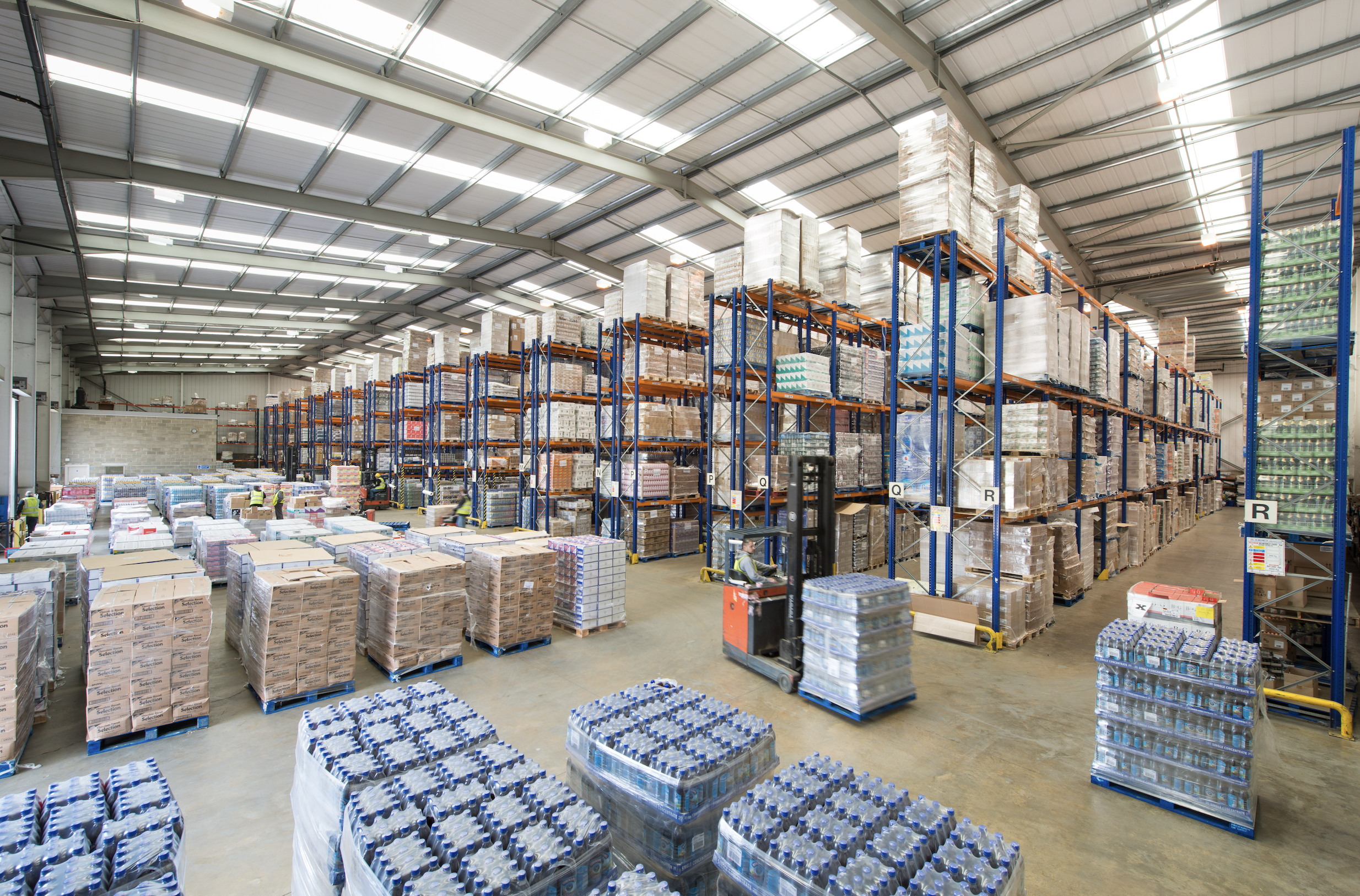
We’re roughly 50/50 food and non-food, although our range changes constantly. We’re buying new stock every week and typically turn our stock around every 30-40 days, so what you see in the warehouse today could look dramatically different within a couple of weeks. We specialise in the essential FMCG product categories, but we have been known to sell mattresses, garden furniture and kitchenware; if someone has a problem, we do our best to find a commercially viable and environmentally sustainable solution.
There are many drivers of excess stock, including changes to pack sizes, product specifications and fluctuations in consumer demand. The weather has a huge impact on consumer shopping habits and if they don’t buy in the volumes expected, the retailer doesn’t need as much stock. The manufacturer is then left with inventory it needs to move.
Food is particularly likely to become excess stock because of dates, as manufacturers and supermarkets have strict requirements around shelf life. We primarily work with ambient products with best-before rather than use-by dates. A supermarket, for example, might require a product to arrive with nine months of life remaining, and when it falls outside those requirements, the manufacturer needs to find another home for it. We work with a lot of customers who can take product with only a few weeks left or even past its BBE, as the contents are perfectly safe if they have been stored appropriately.
Laundry products are a good example of a category where manufacturers are constantly changing pack sizes to hit different price points for consumers, particularly with the ongoing cost-of-living crisis. That can leave perfectly good stock that no longer fits the retailer’s requirements.
By specialising in excess stock, we operate a non-recurring revenue model, rarely buying the same product twice. This offers great variety for our customers, and means we have a very agile and adaptable sales team, who learn products and brands fast.
One of the things we also pride ourselves on is protecting brand equity. We work with manufacturers to make sure products don’t end up in places that could disrupt their existing agreements.
Where does the stock go once Rowan has bought it?
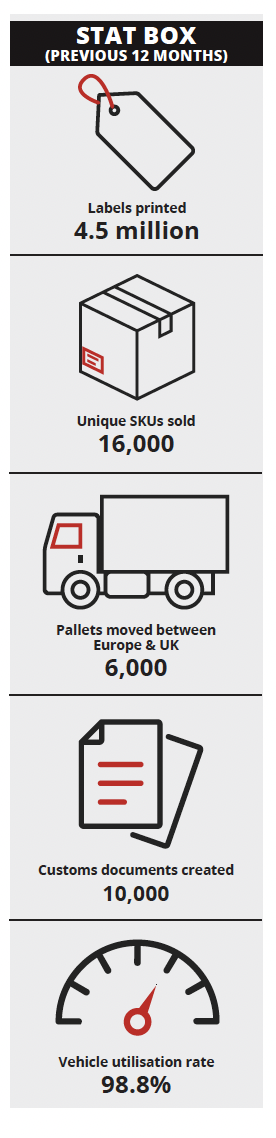
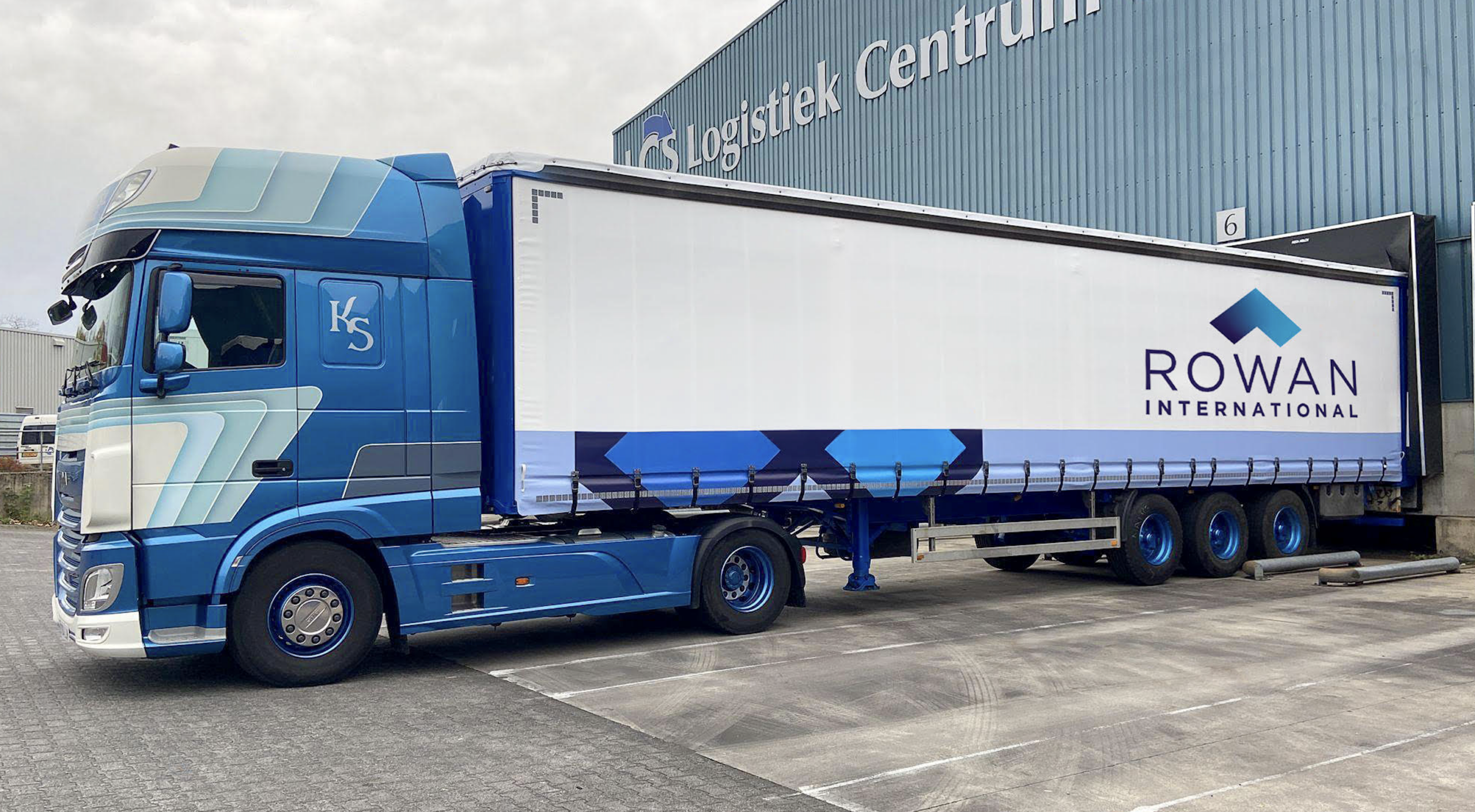
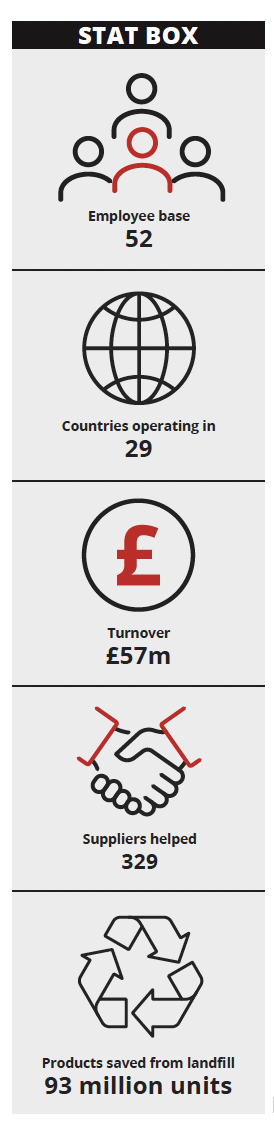
We put it into our warehouse in Basildon in the UK, or into our European warehouse in the Netherlands if we’re buying from manufacturers in Europe. From there, we sell it into international markets. So far this year, we’ve sold into 29 different countries, across 300-plus customers. Our vehicle fill rate is 98.8%, which means fewer trucks, fewer miles and around one-third lower transport emissions per pallet than the DfT’s average HGV fill rate of 65%.
Our customers are primarily discount retailers and wholesalers who supply convenience stores. We don’t operate directly with the major supermarkets or Aldi and Lidl. We’re more focused on businesses that have regional coverage rather than national so that we can support manufacturers in reaching new audiences that don’t interrupt their core distribution channels.
How important has the European operation become since Brexit?
It is integral to our continued growth as a business, providing us with essential routes to new customers and stock. In 2025, it represented 60% of our sales and around 50% of our purchases. It offers the manufacturers we work with a vital outlet to new consumers that do not disrupt their core sales channels and allows them to test new territories before committing to investment in global expansion.
We knew as soon as Brexit was announced that our ability to move goods across borders was going to become more challenging, but remain critical to growth. We therefore put a plan in place to establish a European hub. We now work with a third-party operation in the Netherlands, close to the Dutch-German border. It’s a very good location for serving markets such as Germany, Holland and France, and it has allowed us to continue trading effectively across Europe.
We have a team in the UK managing customs clearance, and we deal with all the associated duties, taxes and paperwork on behalf of customers and some suppliers to make trade as frictionless as possible.
However, Brexit has added a lot of complexity through red tape and paperwork, and has been a huge financial challenge, adding around £450,000 in costs, without providing any additional value to the business. These are the things that make it harder for businesses like ours to grow. We want to invest in people and expand, but the regulatory burden of doing what we have always done can make that more difficult.
How do you deal with different regulations across markets?
We have an in-house QA team, and a new technical and compliance manager, who help us navigate the ever-changing rules for each of the countries we work in. We can relabel products so they’re compliant with local legislation. We have a team that produces the labels and, depending on the customer, the products can either be relabelled for them or we can send the labels with the stock for the customer to apply themselves. We manage the whole process and include the relevant duties, transport and other costs in one clear sale price rather than having to navigate all the different costs and regulations themselves. It also means suppliers have full traceability of where their products go and the confidence that they are fully compliant for the local markets they are sold in.
How have global events affected the business?
We’ve seen significant volatility in commodity prices, particularly cocoa, which has had a direct impact on chocolate products. When raw ingredient prices rise, manufacturers have to pass some of those costs through the supply chain, ultimately affecting consumers. This has driven changes in demand through core distribution channels, leading to waves of excess stock with short shelf life.
More broadly, geopolitical issues and the wars in the Middle East and Ukraine have led to higher fuel prices affecting us, just like all other wholesalers. In addition, the uncertainty around tariffs and the supply-chain disruption within the Strait of Hormuz has led to manufacturers having stock that needs an alternative route to market.
How could technology and AI change the business?
We’re looking at how we can use AI and technology to become more efficient and remove administrative tasks that don’t require human input. The important thing is freeing our people up to do what humans do best: build relationships, have conversations, get on a plane, visit customers and understand what’s happening in different markets.
We’re a UK-based business serving Europe, and you can’t always understand what’s happening in a market from behind a desk. You have to go there and see it for yourself. The right use of technology frees up the time to do this.
What are your ambitions for Rowan over the next few years?
Regardless of how clever technology becomes in improving forecasts on supply and demand, the unpredictability of human desire means there will always be problems that manufacturers need help to solve if we are to reduce our impact on the environment to the levels we need to combat climate change.
I want to see Rowan support more businesses to reduce their carbon footprint, and ensure the innovative and interesting products that get developed and launched find homes for which they were originally designed. It’s about helping families feed and clean themselves and their homes at prices that are affordable by keeping products in the supply chain for longer.
There is nothing stopping us doubling in size, but it needs to be done sustainably. Today, I only know what I’m buying and selling two weeks ahead, reacting to problems with short windows of opportunity and tight turnaround times. I want to have conversations earlier in the product life cycle with manufacturers so that I can offer a wider range of solutions and better commercials that feed into their supply chain planning.
We have the expertise to help manufacturers turn risk into reward with the right planning, collectively having a positive and lasting impact on both the environment and the communities in which we operate.